Author Archives: Murderati Members


The Joys of Writing

By Cornelia Read


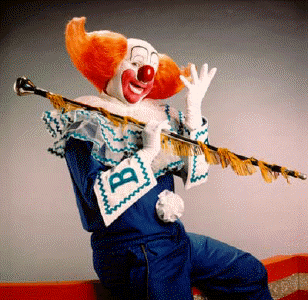
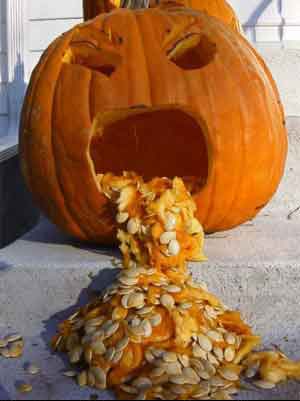
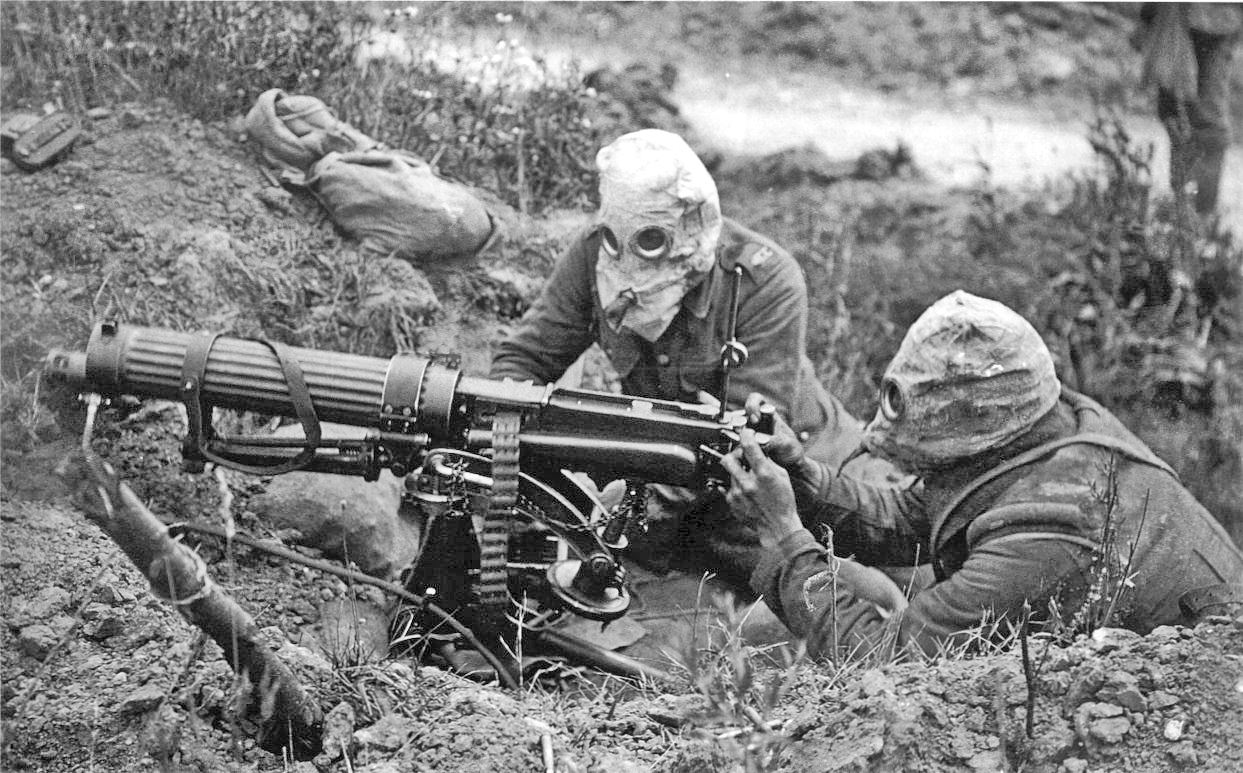
There are days when writing makes me feel like this guy. Actually, every day I write I feel like this guy, at least at the beginning. That’s because beginning is the hardest part, contrary to that annoying song by Tom Petty which claimed that waiting is the hardest part. (actually, I’m much more on board with what Fran Lebowitz had to say about waiting: “The opposite of talking isn’t listening. The opposite of talking is waiting.” But enough said.)

I was on a panel at the magnificent and life-altering Book Passage Mystery Writers Conference last weekend during which we were supposed to talk about writing rituals, and things we had learned on the way to becoming professional writers. Here is what I have learned, in that the following four things are the bedrock of my complete lack of moral fiber when it comes to writing:
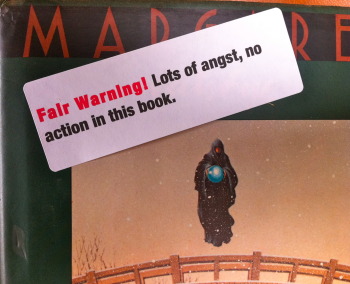
 

And angst. Don’t forget the angst.


I had coffee with a novelist friend who doesn’t write crime fiction while I was at the conference. I asked her how it was going. She said, “My second novel almost killed me. Actually, it may have killed me. I might be walking around dead right now. My brain is so fried I wouldn’t really know the difference at this point. Writing sucks. Did your second novel almost kill you? Because mine almost killed me. Have I mentioned that?”

I said, “Dude, every moment I worked on my second novel, I didn’t know whether to cry or throw up. Some days I did both.”

She laughed in recognition of this mental state. “Third one’s a piece of cake, though, right?”

“A piece of shit, more like,” I said. 

“Great.”

I said I would always remember what Jan Burke told me, when I confessed how hard it was to be writing my second novel, back when I was writing my second novel. Here is what she said, “Yeah, they all suck. It’s always excruciating. Don’t expect it to ever get any better.”

My non-crime-writing novelist friend laughed again… the bitter laugh of the completely hosed.

“I think that was really cruel of Jan Burke to say, don’t you?” I continued. “I mean, couldn’t she have lied? Couldn’t she have said, ‘kid, here’s the thing–the second one almost kills you, and you won’t know whether to cry or throw up, most days, but after that it’s like falling off a log. No problem. Just get through this one, and the rest of them you can write in your sleep with both hands tied behind your back,’ right? I mean, would it have killed her to lie about that?”

My non-crime-writing friend said, “So now you’re laying that same horrible view of my future on me, even though you’re still pissed with Jan Burke for telling you the truth. Thanks so much.”


I nodded. “I mean, don’t get me wrong, I love Jan Burke… it’s just that I might have thrown up a few fewer times if she’d lied in that instance, you know?”

“Yeah. Aren’t we the lucky ones?”

“We are. We could be throwing up and not published.”


“That could still happen.”

“Yeah, any day now,” I said.

“So how was it writing your third book?” asked my friend.
 

“Shit,” I said. “Unmitigated shit. And I hate the fourth book already.”

“How much of the fourth one have you written?”

“About a page and a half,” I said. “And it’s already a stinking pile of unreadable crap.”

“Right on.”
 

“You know what Dorothy Parker said are the two best things you can do to help out aspiring writers?” I asked.

“No, what?” asked my friend.

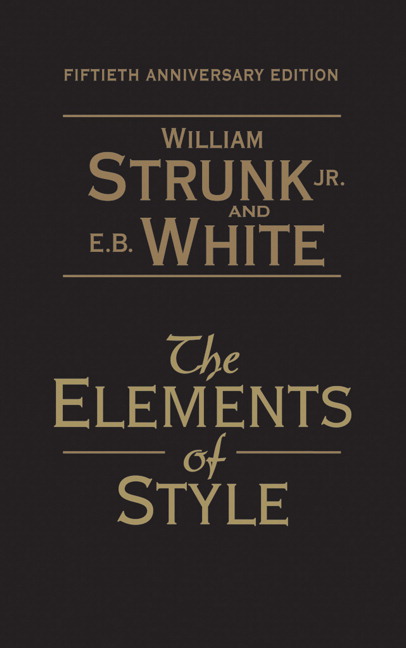
“She said the second most helpful thing you can do is buy them a copy of Strunk and White.”
 

“What’s the first most helpful?”

“‘Shoot them now, while they’re still happy.'”
Then we spent the next twenty minutes talking about how everyone who sold more books than we do should die, unless they were really nice to us. Successful novelists who don’t know us should be loaded onto a bus and driven off the edge of the Grand Canyon, we figured. With bells on.



This is why I love hanging out with fellow writers. We’re all nuts in similar ways, which makes me feel better.

We are none of us exactly Little Mary Sunshine.


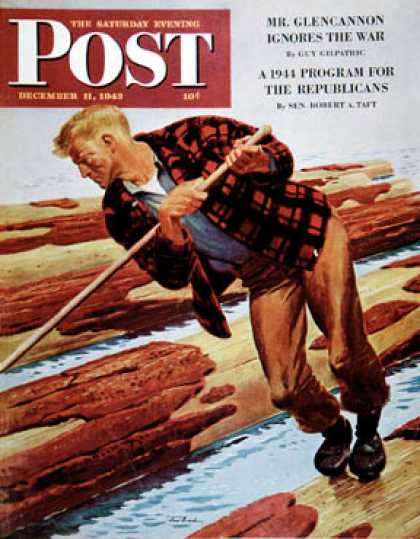
But as I said to my stepmom a few weeks ago, sitting down to right every morning is like knowing you have to punch your way through a brick wall. Except every morning you realize again that the bricks are made of styrofoam, as soon as you screw up the courage to throw that first roundhouse.

On the other hand, I still have a page and a half of book four. So, you know, it’s not quite like falling off a log yet. Or maybe it’s like falling off a log with both hands tied behind my back.


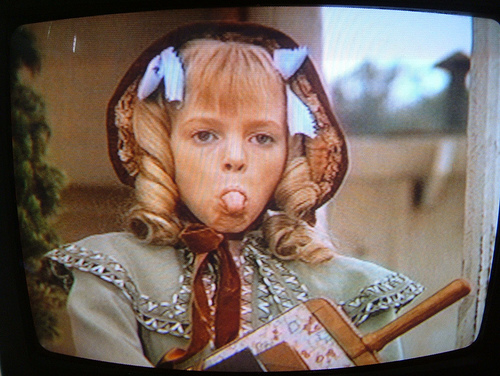
And also, I am a whiny little bitch.


‘Ratis, what do you tell yourself when it’s time to get started? How do you talk yourselves out of believing everything is doomed to failure, and that it’s time for The Rapture? Inquiring Cornelias want to know…

A Peculier Crime

by Zoë Sharp

By the time you read this, I’ll be in Harrogate for the Theakstons Old Peculier Crime Writing Festival. Harrogate is now in its seventh year, and is one of the largest of its kind in the world. It’s very different from the US conventions I’ve attended, as you have to be invited to take part on one of the range of panels, and only one panel track is run at any one time, ensuring large capacity audiences. Fortunately, as the whole thing is professionally miked and lit, you can’t see much beyond the spotlights anyway when you’re up on the stage, which tends to help authors who are a little shy or not used to performing in front of so many people.

Harrogate also differs from many conventions in that you can buy tickets for individual panels, as well as weekend rover passes, although many people never quite manage to make it out of the bar. However, I’m sure the prospect of listening to Lee Child, George Pelecanos, ‘The Wire’ creator David Simon, Mark Billingham, Christopher Brookmyre, Ken Bruen, Allan Guthrie, Stuart MacBride, Denise Mina, Andrew Taylor, Martyn Waites, Caro Ramsay, Chris Simms, Val McDermid, Laura Wilson, NJ Cooper, etc, will be more than enough to ensure packed houses for every event.

Among the silly things I’ll no doubt be doing over the weekend, I’m giving a workshop as part of the opening day, Creative Thursday, on self-defence and writing action scenes. Andy, brave soul that he is, has volunteered to be my Crash Test Dummy for this. Practise for that quickly degenerated into undignified grappling and fits of giggles, I can tell you – there was a water pistol involved – but we shall endeavour to be serious on the day.

Other workshops taking place will be the Award-winning writer Laura Wilson talking to CSI officer Andy Manns; lawyer and crime author Martin Edwards will be unravelling the legal side of crime writing; exploring the structures of a novel from ancient to modern with crime author and Head of Writing at Liverpool John Moores University, Adam Creed; a discussion between author Mark Billingham, abridger Kati Nicholl, and actor Adjoa Andoh about adapting for audiobook; and finally the Dragons’ Pen.

This latter event gives would-be authors two minutes to pitch their story to a panel comprising top agents Jane Gregory and Philip Patterson, and editors David Shelley of Little, Brown, and Selina Walker of Transworld. A scary prospect indeed, but worth the risk to get your idea in front of such a line-up, even if there is the danger of crashing and burning in spectacular fashion.

So, I hope you’ll excuse the short post this week, and I’ll leave you with the question have you ever attended a writing workshop – either a course or a single day event? If not, what puts you off? And if you have, what did you gain from it? Is there one specific piece of advice that stands out?

Last week, of course, were the CWA Dagger Awards, held at Tiger, Tiger in Haymarket, London. I was nominated for the CWA Short Story Dagger for ‘Served Cold’, which originally appeared in the Busted Flush anthology A HELL OF A WOMAN, edited by Megan Abbott, and was published in the UK in THE MAMMOTH BOOK OF BEST BRITISH CRIME, published by Constable & Robinson. The worthy winner was Sean Chercover, for ‘One Serving of Bad Luck’ from KILLER YEAR, published by MIRA. Many congrats to him, and also to Colin Cotterill, winner of the CWA Dagger in the Library; to Fred Vargas for THE CHALK CIRCLE MAN, winner of the CWA International Dagger; and finally to Catherine O’Keefe, winner of the CWA Debut Dagger for the opening section of her novel, THE PATHOLOGIST.

This week’s Word of the Week is deprehend, meaning to catch, to seize, to detect, whereas apprehend means to lay hold of, to arrest, to be conscious of by the senses, to lay hold of by the intellect, to recognise or catch the meaning of, to understand, to consider, conceive or look forward to, and to anticipate, especially with fear.

We Are Experiencing Technical Difficulties. Please Stand By.

We’ve had a bit of a medical crisis at my house in the last 24 hours. Don’t worry, everyone’s going to be all right, but dealing with it has pretty much eaten up all the time and brain power I had in reserve, and everything I’d meant to say about my chosen topic is scattered in untidy heaps inside my head.

In short, no new original post from moi this week. Please accept my apologies, and I’ll do better next time, I promise.

As a diversion in the meantime, how about another game of iPod Roulette?

You don’t necessarily need an Apple iPod to play it…any Mp3 player or computer music player will do, so long as it has a “Shuffle” feature that allows you to play random songs from your library. It goes like this: (1) Hit Shuffle. (2) In the comments, post the first twenty songs that come up. (You can forward through if you don’t want to listen to all of them before posting). (3) Be honest.

The choices of my Creative Zen Touch:

  1. Simple Minds-Don’t You Forget About Me
  2. The Who-The Real Me
  3. Coldplay-Fix You
  4. Liz Phair-Girls! Girls! Girls!
  5. Bruce Springsteen-Workin’ On the Highway
  6. Tom Petty and The Heartbreakers-Here Comes My Girl
  7. Paul Simon-Homeless
  8. U2-I Still Haven’t Found What I’m Looking For
  9. Tom Lehrer-Poisoning Pigeons In The Park
  10. The Replacements-I Will Dare
  11. Buzzin’ Cousins-Sweet Suzanne
  12. Lucinda Williams-Out of Touch
  13. Stones-Gimme Shelter
  14. White Zombie-I, Zombie
  15. Sex Pistols-Anarchy in the U.K.
  16. Little Feat-Rocket in My Pocket
  17. English Beat-Best Friend
  18. Guy Clark-South Coast of Texas
  19. Neil Young- My, My, Hey, Hey (Out of the Blue)
  20. Tangerine Dream-Prophet in Chains

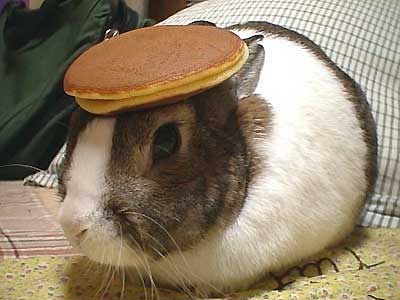
And if that’s not sufficent diversion, here is a bunny with a pancake on its head:

Gotta go, see you next time…


Getting By With a Little Help From My Friends

By Louise Ure

By all rights, I should be telling you today about the fabulous (but grueling) Book Passage Mystery Conference that just concluded Sunday night. It really was grand, with some terrifically talented writers in attendance, and not all of them were on the faculty. This was a group with strong, solid writing skills who came to figure out how to hone their work and how to sell it.

But there will be lots of other folks blogging about the conference this week and filling in the details on their favorite panels and presentations. (Mine would have to include “The Definition of Murder,” by Dylan Schaffer, the defensive attorney representing the BART police officer who killed an unarmed man in Oakland on New Year’s Eve, and the crime fiction primer David Corbett offered based on a murder case presented by FBI Supervisory Special Agent George Fong.)

But the thing – the person — that’s uppermost in my mind is Patty Smiley.


Patty and I met at the very first convention I ever attended, Left Coast Crime in Monterey, back in the Spring of 2004. Patty was my role model. We both came out of the business world before our writing days, we were with the same publishing house and we had the same editor. Only Patty did it one year before I did, so she taught me all the ropes.

Here we are, five years and seven books later (four for her, three for me), and we finally find quality time to catch up again as Patty joined the faculty at the Book Passage event. I picked her up at the airport and it didn’t take even one freeway exit to get into it.

“How are you?” she asked. And she meant it.

We’ve become inured to the casually asked “How’s it going?” from supermarket bag stuffers, telemarketers and the neighbors we pass on the way to the bus. It’s a polite thing to say, but they don’t really want an answer. Heaven help you if you really reply, listing all the aches and pains of your incipient lumbago or detail your worries about your mounting credit card debt. They’d run for the hills, thinking, “Who was that crazy person? I was just saying ‘hello.’”

Not Patty. When she asks how you are, she wants to know. And then she listens.

So I unloaded. Every disappointment, fear, concern, ailment and wound that has been crawling around my feet and up my legs like slithery snakes for the last few months. All of it, gushing out, in a lava-hot tirade of angst.

It’s a forgotten art form, listening. We half commit to hearing a response, all the while waiting for that bon mot – that half split-second — when we can jump in with our own take on the subject. After all, it’s not a conversation unless it’s equal time, right?

Not Patty. The only time she speaks is to ask for more detail. None of that “I know how you feel, I’ve got the same kind of problem with my in-laws. Let’s talk about me.”

And then she does something remarkable. She weighs all the words and offers practical, reasoned, rational, objective suggestions. Nothing heavy-handed. Nothing condemning. Just “here are some things you might think about doing.”

I’ve only had a few people in my life like that. My sister. Judy Greber. I hope they know what a featherbed of support they’ve been.

But today I also have Patty Smiley, and I want to thank her.

Tell me ‘Rati? Who is the wise counselor in your life? Who really listens after they ask, “How are you?”

Improving on Good Conferences

At least a dozen times these last two weeks I’ve heard or thought about something and said, “OH! That would make a good blog for Murderati.” But as I sit down today to write a blog, none of those past quasi-brilliant ideas are coming to mind. I’m on overload. I’ve been on the East Coast for eleven days and very ready to go home.

I completely enjoyed Thrillerfest and miss New York and the Grand Hyatt. I’ve also been enjoying RWA, though I’m tired. Unfortunately, I’ve been sorely disappointed with the Marriott-Wardman Park where I am at the RWA conference, except for the extremely helpful staff member available near the registration desk who should be given a raise because she’s one of two staffers who smiled, the other being the friendly clerk at the shipping counter downstairs.

Since I just came back from the St. Martin’s book giveaway, I was thinking about what, if anything, I’d change about Thrillerfest and what I’d change about RWA to make the conferences better. What do they do right that the other group can take to make their conference even better?

First, you have to understand the differences between the two organizations. I blogged about this on Thursday at Murder She Writes, which is really geared more toward romantic suspense of all stripes.

In a nutshell, ITW is an author-centric organization with a strong author support structure. I would not change that. It’s what makes it appealing to me as a romantic thriller and supernatural thriller author. They do it extremely well, and amazingly keep getting better. RWA is a writer-centric organization with a strong writer support structure. There is no better organization to begin with to learn not only the business but the craft of writing. There are a lot of amazing storytellers out there who just need a little guidance in order to make a good story great. Whereas 80% of the members of ITW are published, only 20% of RWA members are published. And that’s okay because of the mission of each organization.

So keeping in mind the mission of each organization, I’ve thought about how each group could become stronger in support of their mission.

ITW: International Thriller Writers

The ITW author signings are twice a day after morning and afternoon workshops. For thirty minutes, the authors who presented during the previous “session” sign books after they are purchased.

Unfortunately, these signings are short, crowded, and cumbersome. They feel tacked on and almost like an afterthought.

RWA has two hugely successful programs. The first is the literacy signing where publishers donate books. It is open to the public. Readers—not just conference attendees—can come in to purchase books and all proceeds go to literacy (this year raising over $60,000.) RT has a similar signing, but it’s run through a bookstore similar to the way ITW does it now, though like RWA it’s during one two-hour time period and also open to the public.

It seems to me that having one larger signing open to the public—whether a literacy signing or a traditional bookseller signing—would draw in the public and allow for a larger venue and more potential sales and/or exposure. We (i.e. the authors) would be able to promote it to our newsletters, helping not only ourselves but other authors who our fans may enjoy. ITW can promote it to local media. Perhaps we can entice the bookseller to donate 20% of the proceeds to literacy. Something to draw in readers, encourage librarians and the participating bookstore to advertise it in their stores and libraries during the weeks leading up to the big event. We can even name it something catchy like The Big Thrill: Live. (Ok, that’s bad, but you get the point.)

The second book signing that RWA does is the publisher giveaways, where to promote their authors (and as a benefit to conference attendees) publishers put on a “signing” and give away free books. The authors are present to sign. It’s in many ways better than leaving books on tables or chairs because it gives face time with fans or potential fans, and it’s a great way to introduce new authors. I don’t personally think that this is a good idea for ITW, as there are far fewer authors in attendance, but it might be something to think about for the debut authors who people might want to try but aren’t sure about spending the money without a taste.

If I had my way, I’d opt to have the single two-hour signing on (for example) Saturday morning or Saturday afternoon and find ways to bring in readers who aren’t registered for the conference. 


RWA: Romance Writers of America

RWA provides valuable information to writers of most levels, from the just-starting to the established author. Their workshops are fantastic and varied and writers can pick and choose based on their craft level and experience. I’ve generally be impressed with the quality level of the presentations, and I’ve particularly enjoyed the PAN (published author) workshops that avoid the basic craft issues and focus on business issues. Because of the vast numbers of RWA, we can draw a wide variety of people to present workshops and offer unique experience and information. RWA is also unique it that it offers a huge support and networking opportunity to unpublished authors that is, frankly, unsurpassed by any other professional writers organization. The sheer size of RWA helps in providing opportunities to a vast number of writers.

However, in RWA’s effort to appeal to all their members, they’ve extended that to the workshop presenters. I was puzzled when I noticed for the first time (after a publishing professional commented on it) that there were many craft and business workshops being offered by unpublished authors. Perhaps this “me scratching head” moment was because I had just come back from Thrillerfest where during the Craftfest portion we had such incredible instructors as Lee Child and Lisa Gardner (my heroes.) Unless the writer has another area of expertise—such as they are a copyright attorney as well as a romance writer and talking about copyright law—I don’t see the benefit of learning the craft or the business from writers who haven’t sold.

I think it would benefit the unpublished members of RWA—as well as the published members—to find instructors who are established and well versed in the subject they are teaching. I have nothing against unpublished writers talking about an area of expertise, but if they haven’t sold I don’t think that they are the best person to talk about how to write, market or promote a book.

I am a huge fan of both RWA and ITW. I think they serve their members very well, and in no way can they be all things to all writers. These are just two things I noticed after the back-to-back conference where I think that each organization can learn from the other to the benefit of their members.

I’m interested in what you all think as well. What do you like about going to conferences? Published or unpublished or non-writing readers, how do you benefit? Why do you go . . . or not go? Comments, theories, suggestions? If you aren’t a writer, would you travel thirty, sixty, ninety minutes to attend a booksigning with multiple (more than 50) authors?

I won’t be able to respond until tonight, as I am flying home today, but I will respond once I get home and settled (unless my plane is delayed, then I’ll be posting angrily from the airport.)

Oh! And the winner of SUDDEN DEATH by me and CHARMED AND DANGEROUS by Toni is . . . .Billie!!!! Please email me your snail mail address and I’ll get those out on Tuesday. Congratulations!

Conference wrap-up: Thrillerfest and ALA

by Alexandra Sokoloff

Just returned from crazy breakneck weekend – Thrillerfest in NY, and ALA in Chicago. Because I’m a Pisces I have this idea that I can be two places simultaneously. It doesn’t quite work that way. Or anyway, there’s always a price.

At TFest, as some of you know, my story “The Edge of Seventeen” from THE DARKER MASK anthology won the Thriller award for Best Short Fiction!

Here’s the complete list of winners:

ThrillerMaster Award: David Morrell
In recognition of his vast body of work and influence in the field of literature

Silver Bullet Award: Brad Meltzer
For contributions to the advancement of literacy

Silver Bullet Corporate Award: Dollar General Literacy Foundation
For longstanding support of literacy and education

Best Thriller of the Year:
THE BODIES LEFT BEHIND by Jeffery Deaver (Simon & Schuster)

Best First Novel:
CHILD 44 by Tom Rob Smith (Grand Central Publishing)

Best Short Story:
THE EDGE OF SEVENTEEN by Alexandra Sokoloff (in Darker Mask)

And yes, I was very happy to be the estrogen in the lineup. Actually I tend to do my best in situations of complete gender imbalance.

Then I went straight on (well, one missed flight later) to do signings at ALA, the American Library Association conference in Chicago, which apparently had an attendance of 27,000 people. Which was far more than anyone had anticipated and is great news for all of us bookish types.

And I have to say Chicago was as beautiful as I’ve ever seen it, ever – absolutely stunning weather, which I don’t think I’ve ever been able to say about Chicago before. I could almost have been lulled into living there if I didn’t know what happens around November. Or in July, for that matter.

I took that riverboat architecture tour with my friends and Sisters in Crime sisters Doris Ann Norris and Mary Boone, and it really is the best thing about these conferences – being able to get these fast but incredibly layered snapshots of different cities. I love it.

Now I’m headed into a couple of weeks of signings and interviews (including North Carolina Bookwatch, a really big deal in that state) while doing revisions on BOOK OF SHADOWS, and at the same time I have to sort out everything that happened and didn’t happen during my move, which is another story entirely, and, oh yeah, get back to blogging.

Not much that looks like vacation there, right? But instead of feeling exhausted, I feel rejuvenated, and realigned. Conferences are really good for the Big Picture. Going to the same conference for several years in a row is especially great because you can see your career on a continuum. I wasn’t even published when I went to my first Thrillerfest. Now, my fourth year there, I know what to do with the people I meet and the opportunities that come up. I’m much more aware of what a conversation can lead to and how to take advantage of that (I know, it sounds like I’m talking about something else. Of course that potential is always there, too.).

Opportunities abound at conferences – I really do feel that everyone you could possibly need to talk to at a particular moment in time is at whatever conference you are at. That’s always been true for me, even when I had no idea what I was doing. Now that I have a bit of an idea what I’m doing it’s even more true. Example: I have been needing to ask a lot of precise, technical questions about the whole Amazon/Kindle publishing thing. So I’m standing around in the Hyatt lobby catching up with friends and Daniel Slater, the very guy in charge of all that, walks right up to us and introduces himself.

That’s not an anomaly, it’s what happens dozens or hundreds of times over a few days at a con. It’s like magic, I swear.

Also these days I actually remember who everyone is. Definitely a plus.

Seeing the same group of authors regularly (at a particular conference) gives you a good idea of what people are doing that works, and what is not working so well. There’s always a lot going on that you can’t see, but you do get ideas.

And then there are those moments of sheer inspiration and purpose – like this year’s Thrillermaster David Morrell’s speech at the banquet. He was talking about how we all have a responsibility to bring something new to the genre, to advance the genre, and explained exactly how he had been attempting to do that in several of his books. He also said that every time he sits down with a new project he writes a letter to himself talking about why he wants to spend a year of his life on this particular book. Whoa! Talk about getting in alignment. That is absolutely what they call in yoga “attention and intention”. There is no way not to write a better book if you have done that.

I’m telling you, a graduate course in writing in 15 minutes.

ALA, now, is scary for the sheer numbers of books. The “Why didn’t I write that?” quotient is high. Also the sheer number of books by some individual authors is beyond scary. The “Why didn’t I start sooner?” question can tear you apart.

The fact is, I’ve just finished revisions on my fourth book. I’m a complete novice comparatively. And I understand better than ever why a lot of readers hold authors in awe (I just finished Michael Connelly’s SCARECROW and I swear I was holding my breath through whole parts of it. How the HELL does he DO that?). But also, all of those books come out of those people, people we know. People we are. The more books out of an author the more you have to marvel that one little 120 or 220 pound person can make all that happen, all those characters and worlds. The power of that! It’s mind-bending.

But here I was, this weekend, surrounded by authors – who have dozens, if not hundreds of books to their name, and I was wondering how many books I’m going to have to have out before I feel any kind of comfort level. In fact, I wonder if there ever IS a comfort level – if Tess and Allison experienced a moment (a certain number of books, the first or second time on the NYT list) that they said: “Ah, yes. I’m here.” (I mean, even temporarily!)

At the moment, for me four still feels really scant, which is maybe ridiculous, since every completed book is a bloody miracle. But I think that that impatience and dissatisfaction, of “not enoughness”, is typical of not just authors, but artists in general. It’s what drives us to produce more. I love that Aristotle called artists “productive philosophers”. That’s what we do – we produce. Art is philosophy, I believe that, but it is also so concrete. We need to see, touch, feel what we do. We need to have other people be able to see, touch, feel it.

Which is good to remember because now, despite a pretty full promotional schedule, I’m going to be doing a huge amount of writing. One project, the Screenwriting Tricks for Authors book, is very near finished. I have two more that I need to put in proposal form, and a third I should be thinking about. At the beginning of an idea, all that chaotic newness and possibility, it’s good to remember that it will be a concrete product at the end: a book.

And I just put one away, for the time being. Maybe for a month, maybe for longer. I haven’t done that with a project in a while, but I think it’s the right thing to do, for reasons I can’t even articulate at the moment, but I think I’m doing the right thing. One thing about having a small number of books out is that you want to maintain a certain focus. Especially when you’re writing standalones.

There’s nothing like a conference for putting your priorities in order. Out of all that chaos, you come away with clarity.

So I’d love to get other reports. Those of you who were at Thrillerfest or ALA, or RWA (going on right now!), what did you come away with that you can share with us?

And everyone else – will you tell us some great thing you learned or experienced at a conference?

And has anyone here EVER experienced that “Ah, yes. I’m here.” moment?

– Alex

CRUNCH TIME

By Stephen Jay Schwartz

Air and light and time and space

By Charles Bukowski

“-you know, I’ve either had a family, a job, something
has always been in the
way
but now
I’ve sold my house, I’ve found this
place, a large studio, you should see the space and
the light.
For the first time in my life I’m going to have a place and the time to
create.”

No baby, if you’re going to create
you’re going to create whether you work
16 hours a day in a coal mine
or
you’re going to create in a small room with 3 children
while you’re on
welfare,
you’re going to create with part of your mind and your
body blown
away,
you’re going to create blind
crippled
demented,
you’re going to create with a cat crawling up your
back while
the whole city trembles in earthquake, bombardment,
flood and fire.

Baby, air and light and time and space
have nothing to do with it
and don’t create anything
except maybe a longer life to find
new excuses
for.”

End poem. Start blog.

Oh, my God, but the distractions have become unbearable.

I have the cat crawling up my back, if the cat is credit card debt.

I have the earthquake, bombardment, flood and fire as represented by the imminent foreclosure of my home, underwater by leagues. As great a disaster as any of the above for it involves the dislocation of family, pets and material goods to god-knows-where with god-knows-what money to pay first-last-deposit and no savings from which to pull and no credit on which to borrow.

Oh, my God, but there are distractions.

Pressures and expectations seeping up from the cracked earth beneath my feet, requiring that I play so many parts so very well: stable daytime sales executive, relentlessly focused debut novelist working book two on deadline (nights and weekends, of course), dependable provider for family of four (oh, but the bills are such distractions!), loving, available, husband and father.

I’ve written through pressure before, but the stakes have never been this high.

Now, on command, create.

You have (fill in the blank) hours today to create. Create well. Do not be distracted by the lawsuit behind the curtain. Sit. Focus. Create. Do not be distracted by the flickering of lights and the rattling of pans.

Stay
in the world of the story.
That’s all that concerns you.
What is the character thinking? What does he do next?

Do not listen to the strange sound that squeaks from inside your car. It should disappear in time.
Do not listen to the voice of your boss who calls you distracted.
Do not listen to the strange sound that squeaks from inside your chest. It should disappear in time.

You are a writer and you will create.

I used to think that I loved writing and now I’m not sure.
One thing I do know, for sure: I love having written.

A Quick Reminder and Some Motivation for Those Who Want It

First, before I forget, if you’re in the L.A. area on Saturday afternoon, I’m having my book launch party for SHADOW OF BETRAYAL at the Mystery Bookstore in west Los Angeles. It starts at 5:30 and should go on for an hour or so. I really hope you can make it! Here’s the info:

Mystery Bookstore
1036-C Broxton Ave.
Los Angeles, CA 90024

310.209.0415

I’m also off on a book tour starting on Monday, hitting San Mateo, CA, Portland, OR, Seattle, WA, San Diego, CA, and Phoenix, AZ. For more info, check out my booktour.com listing.

Now, a little bit of encouragement to some of you out there. This isn’t directly related to writing, but it will help you with it. I know. It’s helped me. Feel free to ignore.

I’ve been walking around for several years with a little too much extra baggage around the waist, if you know what I mean. And not just the waist. My neck, my face, my arms, my legs, all were sporting more flesh than necessary. Well, I finally decided to do something about it last April, and since then I’ve lost nearly forty pounds. You read that right, but please don’t congratulate me. That’s like congratulating the klutz who backs into your car, but then makes sure it’s fixed properly. Sure it’s nice he got it fixed, but if he’d been paying attention in the first place, it would have never happened.

I’ve been wanting to loose it for a long time. In fits and starts I would try, and then give up. But this time I wasn’t going to let that happen. And I have fellow author Jeff Shelby from our friends over at First Offenders to thank for it. You see I read a post he put up last spring where he said he’d started running again, and had lost 25 pounds. I realized then and there that I needed to just do it.

I’ll admit right here if I weren’t writing full-time, my weight loss would not have been as dramatic. I’m exercising more than I could have when I had a full-time job, but that doesn’t mean it would have been impossible. So don’t let that stop you. Find the tool that works for you and use it.

The one that worked for me, surprisingly, was my iPhone. See, I found this free application called Lose It! It helps me track my calories and my exercise. It’s exactly what I needed. I even look forward now each day to filling in what I’ve been eating and how much exercise I’ve done.

The results have been wonderful. I have more energy. My back doesn’t bother me. I sleep better. One slight problem (a problem I’m happy to have) is that I’ve had to buy some new clothes, because my old clothes fit me like a tent.

Anyway, I thought I’d share in case any of you out there could take motivation from this just like I took from Jeff. By the way, thanks, Jeff! I owe you big time.

So, ‘rati, any tips? Methods that work for you? Ideas?

The Mystery of Marketing with Matt Baldacci

I’ve always been curious about the role of the marketing department at the big publishing houses.  And despite a few years in the business, my understanding of marketing is still a bit hazy.  So I asked my friend, marketing guru Matthew Baldacci, VP, Associate Publisher at St. Martin’s Press, to help clear a few things up for me.

Anyone who has met Matt knows he’s an incredibly nice guy who loves books, the publishing business, and is truly supportive of writers.

Rob:  First, tell us a little about your background and how you got into the publishing business.

Matt:  While I was one of those kids who was always reading (mostly at the expense of my homework), it turns out that didn’t lead me to publishing. Instead, it was a letter I wrote to a friend’s father, who was senior tax counsel at Gulf + Western, a huge conglomerate and parent of Simon & Schuster. That letter led to a summer internship, which led to an interview after graduation, which led to a job offer.

At the time, I didn’t realize that I had found an industry in which I could build a career. Twenty years later, I chuckle about my beginning, working in a corporate communications department for the legendary head of S&S, Dick Snyder.

Rob:  What was it like working for Snyder?

Matt:  Obviously, there were a couple of managers between me and him, but after a couple of months, a few pregnancy leaves, and a a couple of people quitting, it was me and one other woman working directly for Dick. Make no mistake, as the legend goes, he was a tough businessman and a demanding boss. But Dick was also very fair, honest with his employees, and generous if you worked hard and did a good job.

Rob:  What is the role of the marketing V.P. and how does that differ from what publicists do?

Matt:  This is a great question, as it is my experience that authors are very confused by these roles. But first a caveat: these marketing and publicity roles differ from house to house.  A very elementary differentiation is that publicists are tasked with getting cost-free exposure and coverage for the author. Marketing personnel have operational responsibilities and are involved in expense-related activities like advertising and paid promotion.

Much of my role is team management and motivation. I’ve got wonderful creative people, and sometimes my major contribution to a promotion is identifying obstacles, and then knocking them out of the way.

Rob:   Are there any genres or types of book that you find difficult to market (in fiction)?

Matt:  Nope Rob, they’re all easy. OK, the actual answer is yes, all genres present their own challenges.

At the moment, for hardcovers, male thrillers are difficult to get reviewed, and difficult to get people excited about. But it all depends on the book – it always comes back to what’s between the covers. If the author has created gold, you can do wonders for the book. If it’s dreck between the covers, as a marketer you might dress it up and create a little splash, but there will be no ripples carrying the book to success.

Rob:  Do you see any hope for male thrillers?

Matt:  Yes, of course. First, as I mentioned, if the book is wonderful, it could be about anything at all, and the marketer can find an audience. But more to the point, there is something going on with eBooks. It may be as simple as the audience for male thrillers includes “gadget guys” who bought Kindles, iPhones, and Sony Readers, but well-reviewed thrillers seem to be a strong category in eBook sales.

Rob:  How does your marketing strategy/approach differ when promoting a new author as opposed to an established one?

Matt:  The key difference is usually found in the galley strategy. A new author needs to be read to find an audience. Blurbs can help if they define comparative authors and thereby identify audience, but every author is unique, and needs to be read to be understood.

Reviewers do like new authors, as it’s always fun to “discover” the next big thing. So the marketing strategy must include a way (a great blurb, a previous distinction or honor for the author, cash with the galley – kidding) to get the reviewers’ attention. For an established author, the challenge is to completely understand what has and what has not worked. The marketer must maximize what has worked, and look for new opportunities to expose the author to new audiences.

Rob:  What’s going on with formats now? Is trade paperback the best? Is mass market declining?

Matt:  The success of various formats is evolving, and I feel safe saying they will continue to evolve. While in 2009, there are significant challenges to the distribution of mass market paperbacks, the format is too proven and practical to disappear. As the economy and distribution partners settle down, mass market should make a comeback.

I think what you’re really asking is what is the best format for thrillers? Right now, buyers and audience are indicating that they like the trade paperback format as a way to read authors’ work initially. This is an issue our industry is going to have to address. I think most publishers will be financially challenged by the margins of producing trade paperback originals.

Rob:  Most readers don’t realize that when they enter a book store that much of what they see in the front of the store is purchased space (coop). How much weight do you give to this practice in marketing fiction? What are the pros and cons?

Matt:  Coop is an essential part of the marketing plan. But like most things, it doesn’t work all by itself. So we put a lot of weight on the importance of coop placement, but it is still only one component of the marketing mix.

As to pros and cons, I’ll start with the negative: it can feel like extortion. The account wants to promote the book and if a publisher declines the promotion, the account could cut the buy (the number of copies they buy initially).

On the other hand, coop promotions can be good ways to get your book in front of the consumer at the time they are making a purchase decision. Another nuance is the idea of customizing promotions for accounts. These types of promotion may be tailored to the account’s own audience, and can really move the needle. The trick in using coop with fiction is to make sure it is only one part of the mix. You need reviews, word of mouth, and general exposure to make the coop placement effective.

Rob:  There’s a lot of talk about the print publishing business being in peril. What are your feelings about this?

I believe the print publishing business is in peril, but I also believe that a smart strategy can lead the industry to future health.

I used to think that the comment about a book being a tactile and efficient device was silly, but I have changed my thinking, and I believe that there genuinely is something extraordinary about the format of a printed book. I have a Kindle, I have a Sony eReader (prefer Sony), and the future of those devices and the myriad others to come is rich and creative.

I believe the printed book will live alongside these delivery devices.

Rob:  With the advent of the Kindle and other reading devices, do you think there will be a time when electronic books dominate the market?

Matt:  Yes, I believe that time is in our future. The potential for content delivery and new revenue models is too rich to be ignored.

Rob:  Do you have any advice for aspiring novelists?

Matt:  I don’t love this question. Primarily because every novelist is different, and needs/requires different things. I will say this: every successful novelist has followed his or her own heart and instinct.

There are many wise and experienced people in this industry, and none of them are right all the time, or can even be certain about what is right for any author 100% of the time. This is not to say that a writer is always correct; rather, there are going to be turning points in every author’s career, and it is the task of the writer to identify the important ones, and make the crucial decisions based on their heart and instinct.

———–

Thank you, Matt, for being so generous with your time today.

Are you an impostor?

Most of you have probably heard of Impostor Syndrome, a condition described in the linked article as “a feeling of incompetence and a belief that success is achieved by fooling others.”  Many of you probably suffer from it.  I know I do.  What’s interesting is how many apparently successful people (up to 70%) admit to it, particularly women and minorities in professions where they are underrepresented, such as women in the sciences.  Since I’m both a woman and minority, in a profession with very few Asian women novelists, I think I got a double whammy of it. 

Novelists suffer from an additional dimension of impostor syndrome, because we belong in the realm of “public figures.”  Our success depends on consumers buying our brand, and part of that brand is our image.  The public wants to believe that the romance novelist is actually romantic, that the thriller writer is dashing and daring, and the hard-boiled noir writer is — well, a gloomy alcoholic.  In truth, we may be none of those things but we do our best to play the part. Some of us even manage to convince ourselves that, yes, by god, we are dashing, daring gunslingers in black leather.  

But most of us know we’re just striking that pose for the book jacket.  

When you step out of that role and reveal your true, perfectly human personality, it can be disconcerting to the public.  They don’t want to know that you’re a quivering creature of self-doubt.  Destroy the illusion of “successful author”, and the public will smell blood and sprout fangs.  And what, exactly, is the illusion?  That you are utterly confident, fearless, and in control. That you dress stylishly and drink only the best champagne.  That nothing — bad reviews, hate mail, plunging sales  — can rattle you. That you’re invulnerable to brickbats.  You’re perfect.     

In short, that you’re James Bond, a cartoon hero who exists only in the pages of a thriller novel.

Maintaining that illusion is exhausting.  I’ve tried, but I just can’t keep it up.  There comes a time when you just have to let the mask slip, and reveal that the illusion never really existed. That the tough-girl author on the book jacket is just a hoax.  Here, I’m sorry to say, is the truth:

THE ILLUSION: A writer is confident.  THE TRUTH: Are you kidding? I am the original quivering creature of self-doubt. I know I’m here only because of luck, timing, and massive re-writes. 

THE ILLUSION: A writer is in control.  THE TRUTH: Right.  That explains why I inhaled that platter of french fries last night.  

THE ILLUSION: A writer dresses stylishly…  THE TRUTH: Well, I think L.L. Bean is stylish.

THE ILLUSION: … and drinks only the best champagne.  THE TRUTH: Are you buying?

THE ILLUSION: A writer is fearless.  THE TRUTH: Guns terrify me.  Heights terrify me.  And you know what terrifies me most of all?  Book reviewers.  

THE ILLUSION: A writer is invulnerable to brickbats.  THE TRUTH: I don’t know anyone, writer or otherwise, who likes hearing that they’re a failure.  Writers must endure it on a very public level, the equivalent of having your employer broadcast your lousy performance review to the whole world.  Over time, you learn to deal with it, but it’s never pleasant.  And sometimes, it really, really hurts. 

THE ILLUSION: A writer is an expert on the obscure subject he’s writing about.  THE TRUTH: No, we make a lot of it up. That’s why we call it fiction.   

And finally:

THE ILLUSION: A writer is perfect.  

THE TRUTH: Yes, I am.  Perfectly human.  Beset by all the doubts and angst and worries that every other person on this planet endures during a lifetime.  I’m not going to apologize for it. A writer is not an “image” or a brand or a slick mannequin in black leather.  A writer is just someone who has the rather bizarre profession of entertaining people with the written word. Other workers produce toothpaste or rocking chairs or lawsuits.  We produce stories. That’s our widget.  And all the rest of it — the glamorous photos, the black leather, the breathlessly hyped press releases?

Too often, just an illusion.