Author Archives: Murderati Members


With a Shiver in My Bones Just Thinking About the Weather

by Alafair Burke

Today I woke up with “Like the Weather” by 10,000 Maniacs in my head.

Why?  Well, I always have some song in my head, and better the sweet crooning of Natalie Merchant that yesterday’s brain virus, which was this:

(Oh, that was kind of mean, wasn’t it?  You’re going to be humming that all day, aren’t you?  Bieber Fever…crazy contagious, yo.)

Sorry.  Okay, back to “Like the Weather.”  I haven’t thought about that song for at least fifteen years, but, because I have the peculiar (and so far completely unmarketable) ability to identify an 80’s song to fit any situation, I found myself thinking about those lyrics this morning.

The color of the sky as far as I can see is coal grey.
Lift my head from the pillow and then fall again.
With a shiver in my bones just thinking about the weather.
A quiver in my lips as if I might cry.

Well by the force of will my lungs are filled and so I breathe.
Lately it seems this big bed is where I never leave.
Shiver in my bones just thinking about the weather.
Quiver in my voice as I cry,
“What a cold and rainy day. Where on earth is the sun hidaway.”

Seriously: Where on earth IS the sun hidaway?

I try my best not to whine. I realize I’m one lucky chick with one privileged life.  But damn if Mother Nature ain’t on my sh*t list these days.

Not since growing up in Kansas, where folks would gather on the porch with transistor radios until the tornado warnings sent them scurrying to the basement, have I spent so much time as this winter thinking about the weather.  Cold.  Grey.  Snow.  Slush.  Rain. Repeat.  Pretty soon it will be frogs, then hail mixed with fire, and eventually zombies will be involved. 

I hate this winter’s weather so much I’m trying to figure out how to kill it in my next book.

Because here’s the thing: Like that cute little barefoot Natalie Merchant, I am affected by the weather.  I shouldn’t be.  My job is indoors.  Most of my favorite city activities are indoors.  In theory, I don’t even need to go outside.

But somehow my body knows that it’s trecherous out there.  And when it’s trecherous, I get lazy.  I made myself go to the gym today, but my legs were moving halftime on the treadmill as if to say, “What do you expect, woman?  It’s raining out there.”

I can’t even write.  My brain’s a little foggy.  My eyelids are sort of droopy.  Somehow the sound of rubber tires on those wet Manhattan streets is so loud I can’t concentrate.  It’s so dark outside I can’t get enough light.  At least that’s how it feels.

But give me a dry, sunny day, and I’m the Energizer Bunny on crystal meth.  I’ll jump from bed, do a double work-out, and jam on my laptop for a couple or few thousand words.  I’ll tidy the apartment, run my errands, open my mail, and pay my bills.  I’ll take a shower and brush my hair.  I’ll even smile at strangers without scaring them.

These days… well, let’s just say it’s a good thing you can’t see me or my apartment right now.  Pretty sights, neither.

I gather I’m not alone in my primal connection to the weather.  Just ask Natalie Merchant. 

But despite old song lyrics and that urban legend about suicide rates in Seattle, I know some people who hate the sun and love the rain.  People who are energized by snow.  People who love clouds.  Maybe it’s just how we are wired. 

What’s your story?  Are you affected by the climate, or are you able to tune it out?  If you are affected, which weather reports float your boat, and which send you back into bed?

If you liked this post, please follow me on Facebook, Twitter, and/or my newsletter.  In the meantime, I’ll be trying to cheer myself up without Mother Nature’s help.  I was like, baby, baby, baby no… baby, baby, baby…

Of books and blurbs

By Allison Brennan

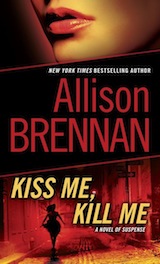
Book Two in the Lucy Kincaid series, KISS ME, KILL ME, went on sale Tuesday, the same day as J.T. Ellison’s SO CLOSE THE HAND OF DEATH, of which I bought two copies — one for me, one for my mom. I gave my mom her copy today at my book signing and she will probably finish it long before me. (Probably? Most certainly, because I still have THE IMMORTALS to read . . . now I have both staring at me from my To Be Read Next shelf.)

I read J.T.’s debut book, ALL THE PRETTY GIRLS, as an ARC. I don’t remember exactly how this came about, except I think she asked me if I’d read it when we met at the first Thrillerfest in Arizona.

(As an aside, I would love to have a reunion Thrillerfest in Arizona. There was something about that conference that was so magical, I want to do it again.)

I remember where I started reading the book–in an airport. I don’t remember why I was in the airport, or where I was going, but I vividly remember drinking a beer while quickly flipping pages wanting to know what happened next. J.T. had me hooked.

I never offer a quote to books I don’t read, which means I don’t blurb a lot of books because I don’t have as much time to read as I used to. Too many times, I’ve said, “No promises, but send me the book and let me know when you need a quote” . . . and then the deadline passed and I never made it. I feel bad, but what can I do? I can’t quote a book I haven’t read, and J.T. is the primary reason for this rule.

More of my readers have THANKED ME for recommending J.T.’s book than any other book I’ve blurbed. They tell me they picked it up because of my quote, and were looking forward to the next.

I hadn’t been sold on the power of blurbs until I had multiple emails about J.T. I think it helps that we write in loosely the same genre (suspense) with a strong female protagonist. Readers who like my stories would be naturally attracted to J.T’s Taylor Jackson. But it also brings home the fact that if I don’t read a book and know what’s between the pages, I can’t in good conscious tell my readers it’s a great book. Because if it’s not, they’ll be disappointed, and the next book I blurb they won’t trust my recommendation, which doesn’t help anyone.

Anyway, while I haven’t read SO CLOSE THE HAND OF DEATH (yet), I’m confident that J.T. has written a story that is as good or better than her other Taylor Jackson books.


I’ve been blessed by three generous authors who have given me a quote: Mariah Stewart on my debut novel THE PREY, Lisa Gardner on SUDDEN DEATH, and Lee Child on LOVE ME TO DEATH. I appreciate all of them for taking the time–I know how valuable a writer’s time is.


KISS ME, KILL ME is my sixteenth novel, the second in my Lucy Kincaid series. Writing a series is a lot different than writing loosely connected books with different heroes and heroines, but I’m really enjoying the change. I can grow Lucy and her boyfriend Sean Rogan over time, not needing to wrap everything up in a neat bow at the end of the book. Since the suspense plot is always primary in my stories, having this freedom with character is invigorating. I’ve already done two “firsts” with this series. In book one, I wrote my villain in first point-of-view. In book two, I didn’t go into the villain’s POV at all–a definitely first for me, because I love writing the villain’s point of view. And now I’m in the middle of book three, IF I SHOULD DIE, and while still a romantic thriller, the story backbone is more a true mystery . . . and there’s no serial killer. (Yes, someone . . . or some two . . . die, but no serial killer. SEE NO EVIL, TEMPTING EVIL and FATAL SECRETS aren’t serial killer books, either, so this isn’t a “first”, but it still feels different.)

Now, a little blatant self-promo for my new book . . . RT Book Reviews gave it four-and-a-half stars and said, “Lucy Kincaid’s saga continues in the second installment of Brennan’s riveting new series. This time Brennan tests her heroine’s emotional and intellectual strength on a missing-teenager case that horrifically intersects with a twisted serial killer. Lucy continues to be a fascinating and enticing character, and her ongoing development adds depth to an already rich brew of murder and mystery. Brennan rocks!”


And, two weeks ago, LOVE IS MURDER, my digital exclusive novella, hit the New York Times e-book list. I was stunned, but of course thrilled.

And the winner of Season One JUSTIFIED DVD set from my blog two weeks ago is . . . TRACY NICOL! Congratulations. Please email me at allison@allisonbrennan.com and I’ll ship a set out to you!

Now my question of the day: what was the last book you bought because of an author blurb? Have you ever bought a book because of an author quote only to be disappointed? Have you discovered a new favorite author because of another author’s recommendation? Comment for a chance to win a copy of LOVE ME TO DEATH, the first book in the Lucy Kincaid series.

First chapters

by Alexandra Sokoloff

Last post I went on a rant about VOICE because of the first chapter submissions (first three chapters, really) I was reading for a conference, and today, because it is cold, I am going to rant some more about FIRST CHAPTERS in general.  

There is no question that reading a bunch of – well, anything – in a row gives you a good idea of what to do and not to do in executing that particular thing.   And I maintain I can’t teach anyone to write, but I sure can point out the problems I’m seeing over and over and over again.  So here’s a brief list. 

1. Inexperienced writers almost inevitably START THEIR STORIES IN THE WRONG PLACE.

Now, please, please remember – I am not talking about first drafts, here.  As far as I’m concerned, all a first draft has to do is get to “The End”.   It doesn’t have to be polished.  It doesn’t have to make sense to anyone but you.   At the Southern California Writers Conference this weekend screenwriter and novelist Derek Haas (WANTED, 3:10 TO YUMA)  referred to his first pass of a story as “the vomit draft”.   Exactly.     In my current WIP I am writing scenes out of order in a way I never have in my entire writing life.  So what?   I’m switching POVs in a way I never have before and I need to write some things out of order because I have no idea what the best order is.   I’m writing scenes I know will be in there somewhere and I’ll figure it out in the second draft, or the third, or the fourth. 

Just get it all out – you’ll make sense of it later. (for more on this:  Your First Draft Is Always Going To Suck )

BUT – when you’ve gotten to the end, if you are a newer writer, I suspect you will probably want to start your story 20, 30, even 50 pages later than you did.   And this is partly why:

For some reason newer writers think they have to tell the whole back story in the first ten pages.   Back story is not story.  You will lose every potential agent, editor, and future reader in the known universe.   So –  

2. NEVER MIND THE FUCKING BACKSTORY!!!!!

With almost no exceptions, you should start your book with an actual scene, in which your main character (or villain, if that’s who you start with, that’s fine too) is caught up in ACTION.   You should put that scene down on the page as if the reader is watching a movie – or more precisely, CAUGHT UP in a movie.    The reader should not just be watching the action, but feeling the sweat, smelling the salt air, feeling the roiling of their stomach as they step into whatever unknown.

We don’t need to know who this person is, yet.  Let them keep secrets.  Make the reader wonder – curiosity is a big hook.   What we need to do is get inside the character’s skin.

So here are two tips:

3.  IDENTIFY THE SENSATION AND EXPERIENCE YOU WANT TO EVOKE IN YOUR READER – AND THEN MAKE SURE YOU’RE EVOKING IT.

I cannot possibly stress this enough. We read novels to have an EXPERIENCE. Make yourself a list of your favorite books and identify what EXPERIENCE those books gives you. Sex, terror, absolute power, the crazy wonderfulness of falling in love? What is the particular rollercoaster that that book (or movie) is? Identify that in your favorite stories and BE SPECIFIC. Then do the same for your own story.   Are you getting that – and I mean ALL of that – into your first chapter?  Your first three chapters?   If not, you have work to do.   And you know what?  That goes just as much for me, and all of us.   In spades.  GIVE US THE EXPERIENCE.

4, Make sure you’re using all SIX SENSES.   A great exercise is to make sure that every three pages you’ve covered specific details of what you want the reader to see, hear, feel, taste, smell, and sense.    All six categories, every three pages.   (Sounds too by the numbers?  Try it.  Now admit it – isn’t that better?  Aren’t you just more there?)

5.  SHOW, DON’T TELL.

This is one of those notes that always annoys me until I have to read 15 pages of “telling”.   Then I realize it’s the essence of storytelling.   If your character has a conflict with her brother, then let’s see the two of them fighting – don’t give us a family history and Freudian analysis.   Action, action, action. 

6. DETAIL THE INTERNAL DRIVES OF YOUR CHARACTER AND SET THE GENRE.  

You don’t need to detail the family tree or when they moved to whatever house they’re living in or their great love for their first stuffed animal.

What we need to know instead is: their DESIRE and WHAT IS BLOCKING THEM.  We need to feel HOPE AND FEAR for them.   We need to get a sense of the GENRE, a strong sense of MOOD and TONE, and a hint of THEME. 

And  –

7. SOMETHING HAS TO HAPPEN, IMMEDIATELY, that gives us an idea of WHAT THE STORY IS ABOUT.

You can do this to some extent by setting mood, tone, genre, hope and fear,  and an immediate external problem – but also I mean you should get to your INCITING INCIDENT and  CALL TO ADVENTURE as soon as possible.  Especially if you are a new writer, you cannot afford to hold this back.   It can make or break your submission, so find a way to get it into the first few pages or at the very least, strongly hint at it.

For more discussion and examples of all of these terms, see  ELEMENTS OF ACT ONE.

And if you disagree with me, awesome!  But if you do think everything I’ve just said is wrong, then at the very least, make your own list.   Ten first chapters, by your own favorite authors, that just turn you inside out.  And take a look at what those storytellers are doing in those chapters.  Break it down.   Really look at it from every angle.  What is it EXACTLY that makes you commit in a few pages, a few sentences, a few words, to those authors and those stories?  

And then  – meaning once you’re finished with your first draft and have celebrated mightily – look at your own first chapter and be ruthless with yourself.   Are you doing whatever it is that they are doing that you love so much?   Are you?  Really?  

Or is there something that you might do… just a little more like – that.

That’s all I’m saying.

And for today, I would love to hear about some first chapters that break every rule I’ve outlined above and still rock your world.   Seriously.   And your favorite first chapters in general, of course.  I just reread THE FIRM for the dozenth time or so and that first chapter still just knocks me out every time.  Perfect thriller opening.   THE SHINING, THE TREATMENT, ROSEMARY’S BABY – THE GODFATHER!! – those are some of my favorite books from the very first page.   Give us your own list!)

Or whatever else you want to talk about, as always.   And keep warm this weekend!  (Snow in San Francisco?????)

Alex

And, right – remember that we have Captcha now and you have to type in the letters to get your comment posted.  Sorry, but it’s the spammers who should die.

RELATIVITY SPEAKING


By Stephen Jay Schwartz

I am acutely aware that this moment is spectacular and fleeting. It’s the first time in over twenty-five years I’ve had one full year to focus solely on writing.

I cannot believe that almost two months have passed already. I now have only ten months to write a screenplay and two novels. Since leaving the day job I truly understand what my kids have been saying all along—“When you quit your job, daddy, you’ll be having fun, and the days will go by fast.”

I wake, the rising sun warm on my face. I blink. The setting sun cools my skin.

I’ve always enjoyed the fast lane, but now I can feel my foot searching for the brake pedal. Just a tap or two, I don’t want to start a skid. But I would like the chance to see the landscapes I’m passing.

I’ve tried reading Einstein’s Theory of Relativity. I’ve looked to Stephen Hawking for help. I get lost when “one observer gets on the train and experiences a different sense of time than the observer who waits on the platform.” I can’t figure out if I’m supposed to be the guy at the station or the guy in the train car and I don’t understand why that nanosecond of difference should turn my life upside-down. But, apparently, it does.

They say the days go faster as you age. I can feel that. People who are older often say they feel like they’re still in their twenties. The face in the mirror doesn’t match what’s inside. I’m right there. Memory has compressed my life. Time has surely been bent, and the events that occurred early in my life have been folded to meet events I experienced last week. What was in the middle has been folded out. The 90s. I suppose they were forgettable enough.

The last time I had that full year to write was when I was nineteen years old. I had just moved to Santa Cruz, California from New Mexico, after having spent one year in the Jazz Music Department at North Texas State University. I had changed my career aspirations and decided to tackle screenwriting. My mom was paying my rent for a while and I had nothing to do but write. I wrote whenever I felt like it. If I woke up at 3:00 in the morning with an idea, I’d write it out over the next five hours, then fall asleep for the next six hours, then wake up and continue writing. It was a perfectly fluid schedule that worked with the creative impulses of my mind.

I guess I thought it would always be that way. Now, a quarter of a century later, I’m on that schedule again. In my mind, I’m the same kid. Like I stepped off the West Cliff bus in Santa Cruz on the way to my favorite cafe (the transfer is still in my hand) and, the moment my foot touched pavement, I landed in Los Angeles, twenty-five years later. My life has been folded.

Do we get to shake out the folds at some point?

Everything has changed, nothing has changed. I’ve gained much, I’ve lost much. The only thing that remains the same is the length of my hair.

I hope this life thing we’re experiencing is infinite. I hope we live forever and retain the special memories we’ve built here on Earth. Because I’ve learned a little something from my elders. Our time here is short. Relativity speaking, of course.

Mouth Watering Creativity

By Brett Battles

Creativity comes in all forms, and can be seen in almost any walk of life. Of course, the obvious examples are art and books and dance and movies and music and plays. But these are nowhere near the only places there is creativity.

We see it in the gardener who chooses the plants he grows carefully, arranging them in ways that can make a yard beautiful. We see it in the teacher who isn’t content to just mindlessly repeat what’s in the text book to their student, but instead finds interesting ways to make the subject come alive and be memorable. We see it in the store owner who finds a new way to package on old product, and make that product more that it was before. And we see it in an airline that allows its employees to have a little fun when interacting with passengers (a la Southwest).

Everywhere there’s creativity – the arts, science and medicine, education, construction, the law, religion, parenting, the home and anything else you can think of. One of the things that really excites me – turns me on, if you will – is seeing something creative, and seeing the passion the particular creator has brought to it. I don’t have to necessarily understand it, but to know that someone used their mind to make something, or make something better…wow. Too cool.

What I wanted to share with you today is a brand of creativity that’s really cropped up in the past couple of years, that I am totally loving.

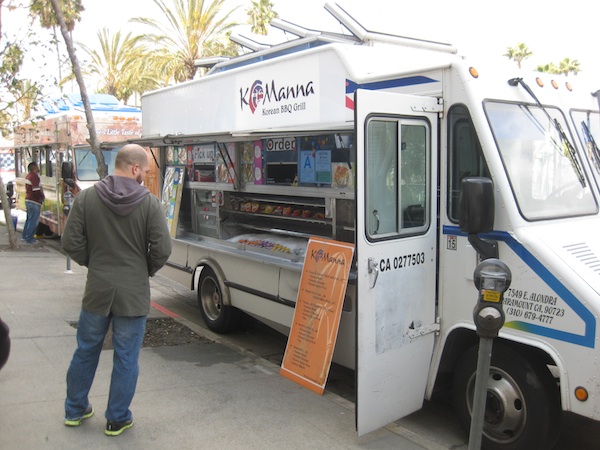
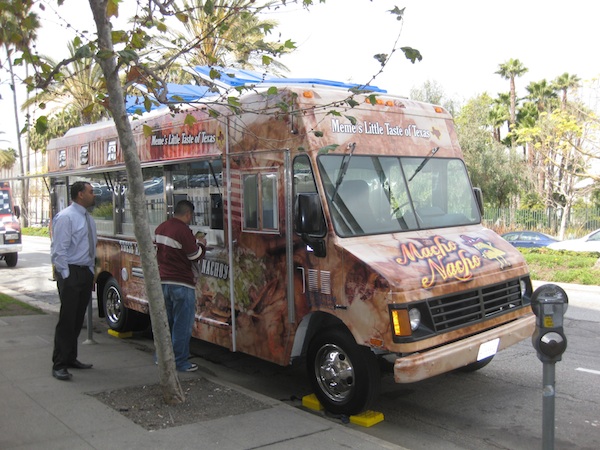
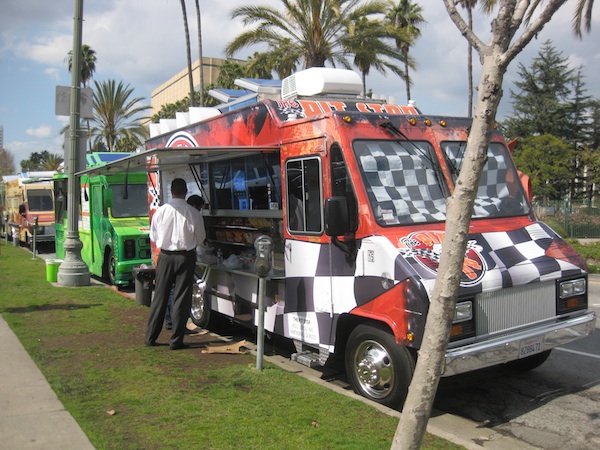
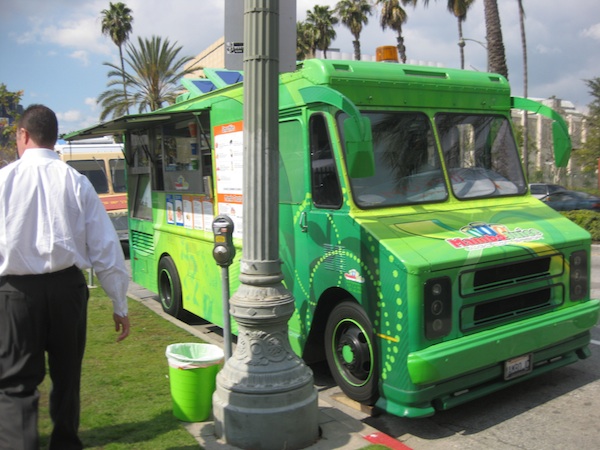
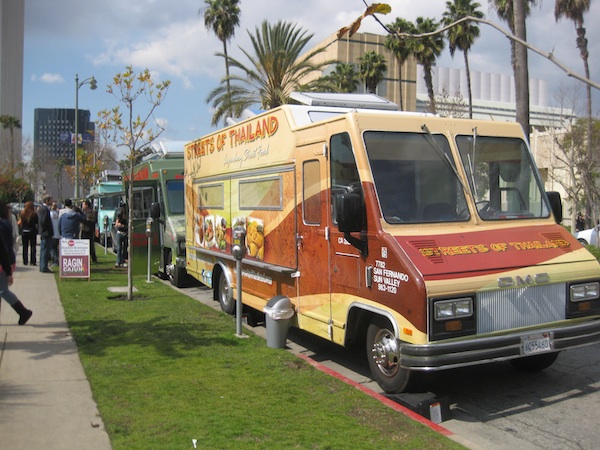
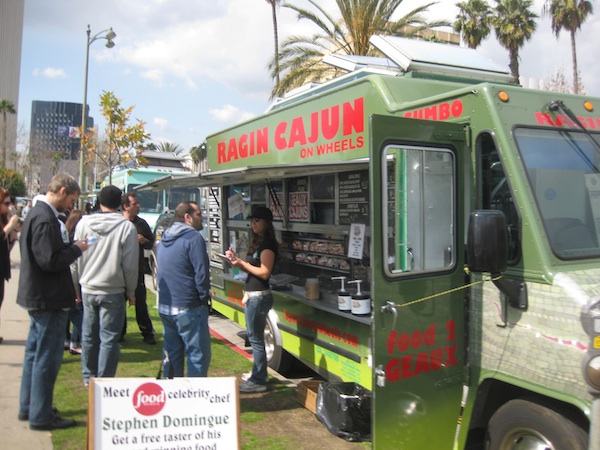
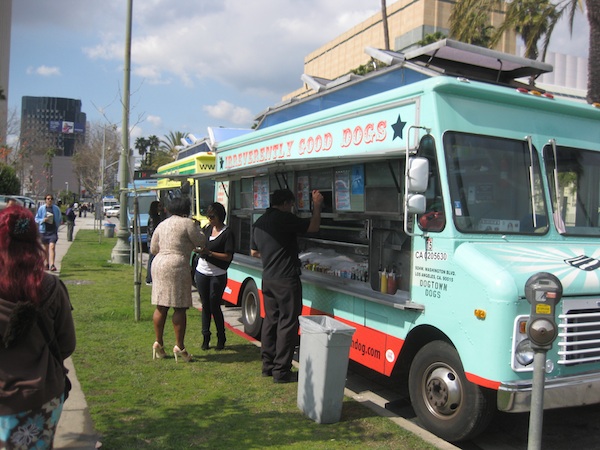
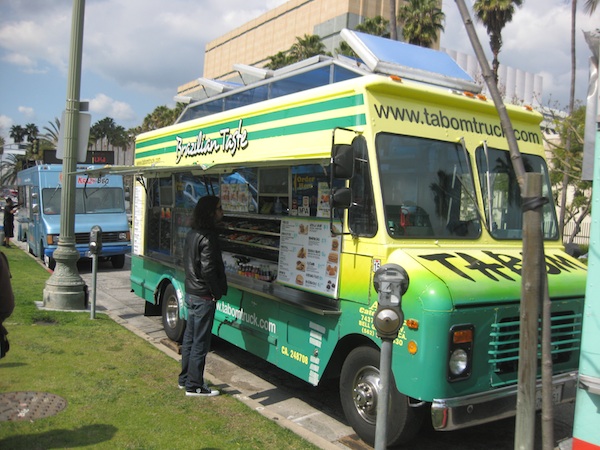
I’m talking about the lunch truck.

Yes, the roach coach.

There was a time when you could never get me to eat at one of these – primarily white paneled – trucks. Which is actually kind of odd given the fact I have no problems eating from the street carts in developing countries. The truck, though, they just weren’t for me.

But there’s been a revolution, and it…is…AWESOME.

The lunch truck has gone specialized.

I first encounter this when visiting my friend Bill Cameron in Portland, Oregon, a couple of summers ago. There was a place in town where every night five or so lunch truck would take over a parking lot and serve up chow. But these weren’t the hamburgers and slop type of trucks. Each served it’s own brand of specialty food. I can’t remember the choices from that night, but I do remember wishing the phenomena would hit L.A.

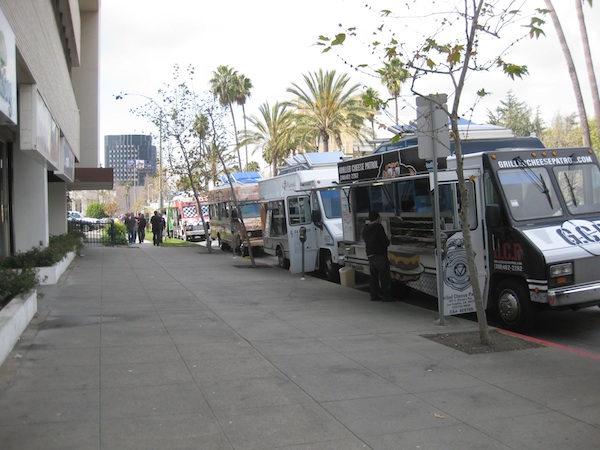
Well, I’m here to tell you my wish came true. Big time. In L.A. we now have trucks that specialize in: Korean Food, Thai Food, Grilled Cheese Sandwiches, Nachos, Indian Food, Specialized Hot Dogs, BBQ, Juices, Ice Cream Sandwiches, Deli Sandwiches, Vietnamese Food, Cajun, Pizza, Dim Sum and so many others.

Even cooler than that? They usually gather together in certain spots, so eaters have a bevy of choices. And I’m lucky enough to have one of the main lunch time spots a seven minute walk from my front door. It’s located on Wilshire Boulevard right in front of the LA County Museum of Art and the La Brea Tar Pits. (Chandler fans, this would be right on the Miracle Mile.)

Wednesday, when I walked over, I counted thirteen different trucks. That’s actually below normal. I’ve counted as many as seventeen and know there is usually at least fifteen around.


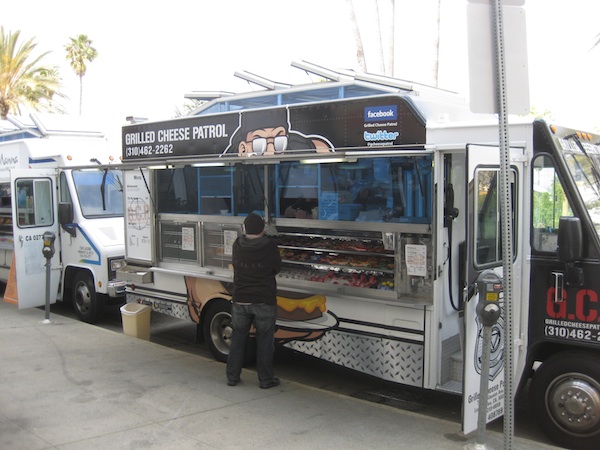
The food is creative. The trucks themselves are creative (as you can see from the pictures), and this whole new way (which is really a supercharged old way) of eating is creative. I LOVE the fact that they gather in bunches. I LOVE the fact that most are on Twitter so I can sometimes plan what I’m going to get by seeing who’s going to show up that particular day. And, most of all, I just LOVE the food.

I know not all of you have this kind of thing in your city or town yet, but no matter where you are, if you do get the opportunity, I urge you to check these trucks out. It’s a sight to seen, and treat for your taste buds as well!

I sacrificed myself on Wednesday, and, in the theme of crime fiction, I had the “Felony” from the Grill Cheese Patrol truck. I meant to take a picture of my food. But I ate it instead. Oops.\

Anyway, hope you enjoy these photos. And I love it if you’d share with us in the comments some of the places you’ve seen unusual creativity.

The Grill Cheese Patrol

Korean BBQ

Nachos!

BBQ

Juice Truck

Thai Food!

Cajun

Hot Dogs

Brazil


Diversify

by J.D. Rhoades


It wasn’t  exactly a huge shock when the Borders mega-bookstore chain filed for Chapter 11 bankruptcy last week. The company had been circling the drain for a while. Still, it was another blow to an industry that’s had at least its share, and maybe more,  of those lately.


The reasons for the Borders filing are numerous and complicated, in accordance with Rhoades’ First Law of History: everything happens for more than one reason. Those reasons are discussed in detail, by some very smart minds, here and here.


The big question on the minds of writers and readers, though,  is most likely: what does this mean in the long run? As a judge who pulled me aside at a break in court on Tuesday asked me, “do you think the printed word is dead?”


I told him I hoped not, and I meant it. Like a lot of you, I like the physical feel of a book in my hand. But we do have to face the fact: it’s a shrinking market, and not just because a lot of the physical locations to buy books are closing their doors. Not just Borders; seems like hardly a month goes by when we don’t hear of  a beloved indie bookstore shutting up shop, and even the venerable Powell’s is laying people off.


The immediate effect of the Borders bankruptcy will be that a lot of  people aren’t getting paid, at least not right away, such as distributors and publishers.  In fact, Borders had started “delaying” payments to publishers in January and trying to turn their outstanding obligations into loans, sort of like calling up the power company and asking if you can just turn the January heating bill into an IOU.  It worked about as well as you might expect, and caused some distributors to stop shipping to them. Now, of course, they’re not even getting the IOU; they’ll get what the bankruptcy court says they’ll get, when the court determines they’ll get it, which might be never in some cases. That can’t help but put extra strain on already stressed players in this business, particularly  small publishing houses that were on thin profit margins to begin with. As for the big publishers…well, they’ll most likely survive. But they’ll be feeling the pinch.


Unfortunately, pinched corporations become more risk-averse, not less. When you consider that offering a writer a lot of cash for his or her work always carries a substantial about of risk, that’s bad news for authors who aren’t already bestsellers or who don’t have ready-made name recognition. Like, say, Snooki.


To paraphrase the classic line from PIRATES OF THE CARRIBEAN,  Nicole Polizzi, aka Snooki,  may be one of the worst people you’ve ever heard of, but you have heard of her. Therefore, the tiny trollop from Jersey Shore  gets a book deal, despite having only read, by her own admission, two books in her life (DEAR JOHN and TWILIGHT). They had to figure on big sales because, Lord knows,  we all love a good trainwreck, and when it comes to trainwrecks, Snooki makes the Wreck of the Old 97 look like a kid’s Lionel HO-gauge  jumping the track.


Oh, sure, I’ve considered  “being a professional trainwreck” as a marketing strategy. I can do drunk and disorderly, believe me. I’m just not sure I can sustain it for long enough or loud enough to get a book deal out of it before I get thrown in jail. But I digress.


Absent that strategy, though, how do we get our work out to readers in a world where a writer as talented and experienced as veteran SF author Kristine Kathryn Rusch can have an experience like this with her book DAVY MOSS:


The book has made the rounds of traditional publishing (and then some!) and it garnered some of the best rejections of my career. Editors loved this book, but the sales force at Big Publishing hated the very concept.  Books about music don’t sell, they said, and then they’d force the editor to pass.


(Boy, did THAT sound familiar!)


As readers, how do you find a wide diversity of content in a world where a nearly illiterate reality show star  pulls down seven figures and Kristine Kathryn Rusch gets the old, “wow, we love this, but we pass”?


If you’re rolling your eyes and thinking “Oh lord, here comes the bit about e-books…” Well, you’re partially right. Because the world where Rusch gets turned down on a book that even the people doing the turning down admit is good is also a world where fantasy writer Amanda Hocking, online,   sells 99,000 e-books, at 2.99 apiece,  in December alone.


I have to admit that figure staggered me, especially when you consider that writers make more of a percentage on self-published e-books than they do on traditionally published paper books. I’ve never read Hocking. She may be dreadful, she may be the second coming of Hemingway. But as a purely business proposition, it seems to me that, as writers,  we’d be  fools to turn our backs on a market with that kind of hunger. And say, for the sake of argument, that Hocking really is a dreadul writer. Well, I still think I’m pretty good…so how much better could I do?


As noted above, Borders went toes up for a variety of reasons, but we can’t discount the importance of this one: while Borders tried to diversify by expanding things like CD and movie sales, they were diversifying into formats that were already being threatened by cheap, convenient, and quick downloads. While there are a lot of people, including myself, who love the experience of browsing  through books or CDs, we all have to face the fact that there are an awful lot of people out there who want to be able to get a book without having to get out of their jammies, jump in the car and drive down to the store. If that book also happens to be low in price, they’ll be more likely to buy, and read.


Some may call people like that “couch potatoes” and “cheap bastards.” I  call them potential readers. Here’s Rusch, again:


I personally want readers and I want as many readers as possible.  More readers equal more money—of course—but more readers also equal a long-term career.  If my book is in print from a Big Publisher, then theoretically the book is attracting readers.  If my book is in print from my self-publishing arm or an indie publisher, then theoretically the book is attracting readers. And that, my friends, is really what matters.


So, I’m not turning my back entirely on traditional publishing. I’ll keep submitting, and I’ll never stop browsing the bookstores (or trying to get my work into them). 


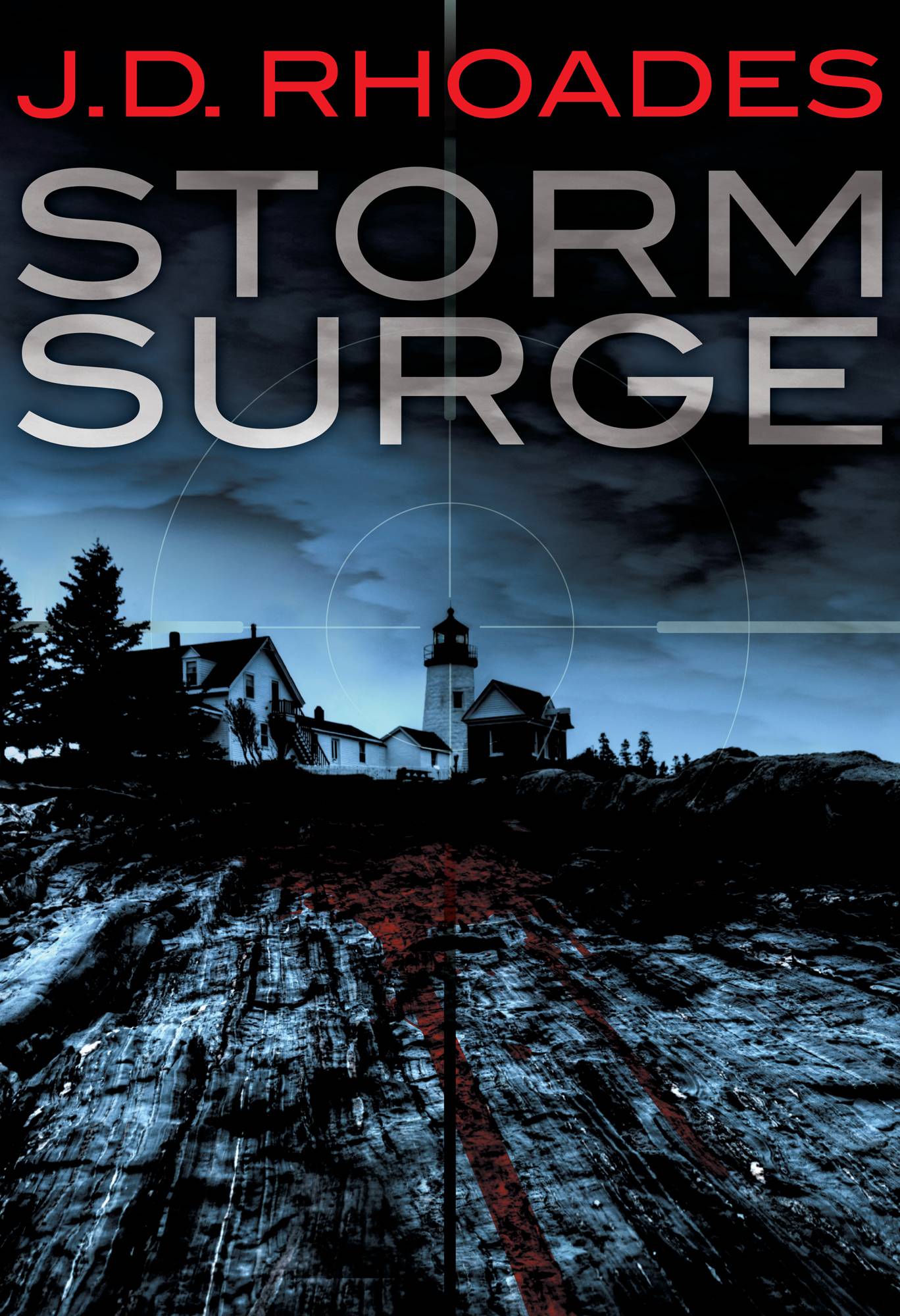
But in the meantime, I’m diversifying. I’ve repackaged my e-pubbed novel STORM SURGE with a snazzy new cover, by new Zealand artist Jeroen ten Berge,


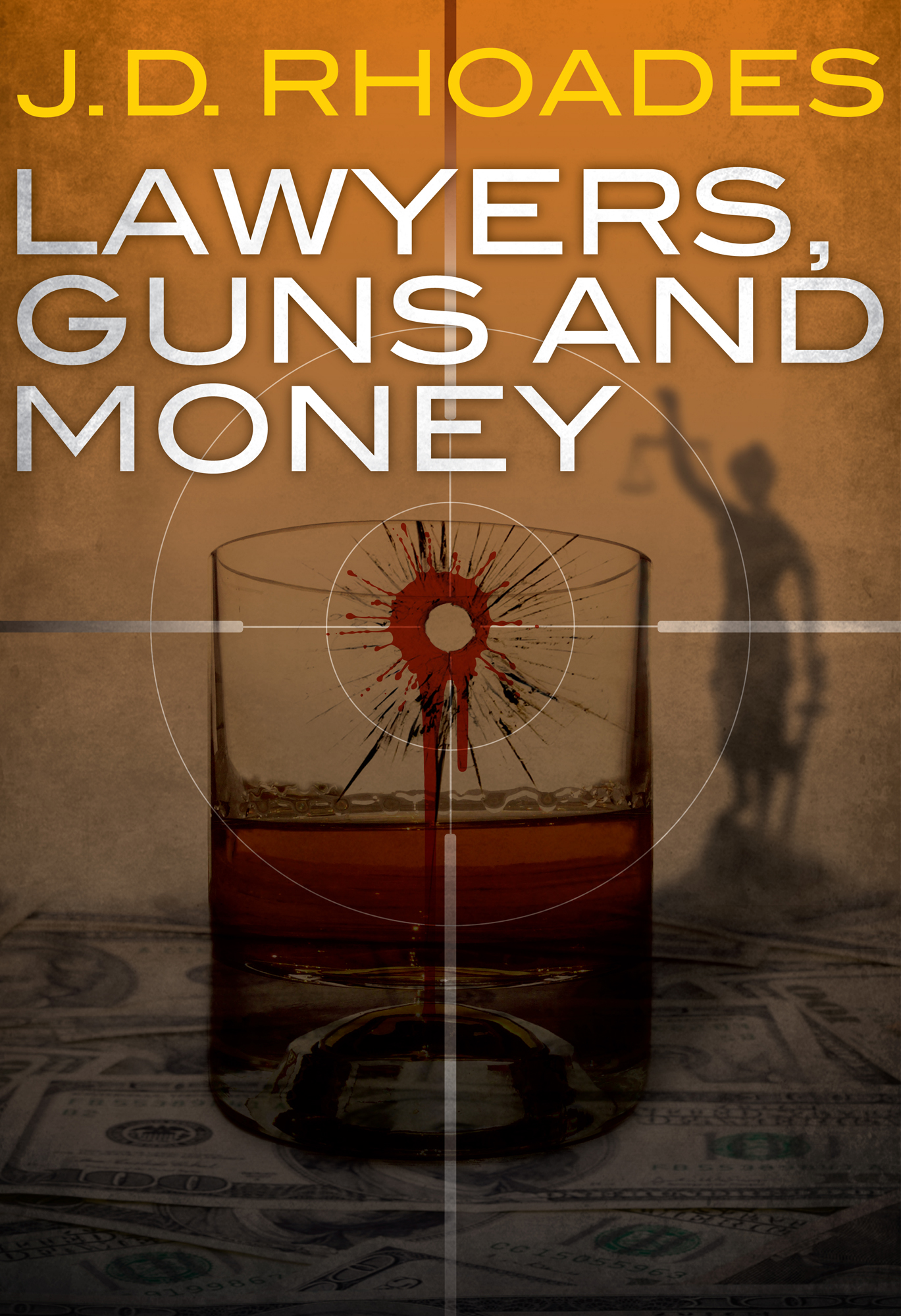
and my new one, LAWYERS GUNS AND MONEY, goes live on Amazon and Smashwords  today.


After this, the backlist will be going up, starting with the book that began it all, THE DEVIL’S RIGHT HAND.


Hey, if that fails, I can always go the Snooki route.


Empty Desk Syndrome

by Tess Gerritsen

Last week, I turned in my final edits for for THE SILENT GIRL, my next Rizzoli & Isles novel.  Now I’m just waiting for the copy editor to bounce it back to me in the next few days.  In the meantime, I’ve written the acknowledgments page, gathered together my research notes and manuscript drafts in a box for storage, and cleared off my desk.  That empty desk surface is something I haven’t seen in over a year.  It’s been covered for so long in papers, notes, reference books, and general clutter that I’d forgotten that there actually is a desk underneath it all, a nice desk made of cherrywood.  For the last few days I’ve been enjoying how tidy it looks, but I’m also feeling a bit lost.  After a year of fiercely obsessing about the book, suddenly it’s finished and been sent into the world like a kid finally off to college.

I’m suffering from empty desk syndrome.

For the past year I’ve lived in a near-constant state of anxiety about the story.  I’d startle awake in the middle of the night thinking I’d never get this thing written.  I’ve had moments of stomach-churning self-doubt, wondering how I’d explain to my agent and editor that my writing mojo had vanished.  On the few vacations we took last year, I could never really relax because I knew I’d have to return home and wrestle with the beast.  I couldn’t leave the job behind; it was always with me, nagging me that I had only six months left till deadline… five months … one month…

Then, somewhere around draft #3, the troublesome manuscript seemed to snap into shape.  The plot, the characters, the motivations all crystallized.  I polished the final manuscript (draft #5) and emailed it off.  A few days later came the happy phone calls from editor and agent.  The book was done, everyone was delighted, and it was time to celebrate. I did, with dinner out and a few glasses of wine.

But now comes the postpartum readjustment.  When you’ve lived for months with stress hormones circulating in your bloodstream, when you’ve forgotten what it’s like to take a weekend off, it’s hard to reenter normal life.  Now when I wake up, I still feel the usual jolt of anxiety, and then I remember: The book’s done! You can relax!  My husband says it’s weird having me in the here and now for a change.  For the past few days I’ve lingered over the morning newspapers, surfed the web, and finally tackled the towering stack of galleys waiting to be read.  I had my hair cut.  I’m listening to Italian language tapes.  I signed up for archery lessons.  And I’m wandering the house feeling untethered because I’m not sure what to do with myself.

And …  I’m coming down with a cold.  It happens every single time I turn in a book.  When stress suddenly evaporates, the body says: “Your job’s done.  You’re allowed to get sick now.”  So, right on time, I woke up this morning with a headache and sore throat.  But what luxury to be able to recuperate at leisure.      

ADWD: The new epidemic

By Pari

We interrupt our regular blog to bring you this important public service announcement:

Hello. My name is Pari Noskin Taichert. You may know me as a novelist, an award nominee, a convention chair, a features writer, a public relations pro. Some of you have met me in my capacity as a wife, a mother, a cellist, a dog owner . . . but that’s not why I’m here today.

I’m speaking to you on behalf of the CWDC.

For those of you unfamiliar with the Centers for Writer Disease Control (CWDC), ours is a small organization – perpetually ill-funded (but that’s mostly okay) – but dedicated to the health and welfare of our nation’s literature-creating trust. This is no small task. Each year, hundreds of thousands of writers – maybe millions (who’s to say?) – suffer the ravages of
*  MOD (Marketing Overwhelment Disorder)

*  WBS (Writers’ Block Syndrome)

*  EM (EllipsiMania)

*  TMD2 (Too Many Details Disorder)

*  SSER (Strident Self-Editing Reflex)

*  its corollary: NE2R (Non-Existent Editing Reflux)

and other debilitating diseases.

But that’s not why I’m here today.

It has come to our attention (well, my attention since CWDC is really, really small, so small in fact that sometimes it totally disappears and then someone else has to come in with intravenous lattes to revive its director . . .

 . . .  but that’s not why I’m here today . . .)

Let’s start over. Okay?

It has come to our attention that a new disease is on the rise:

ADWD: Attention Deficit Writing Disorder

(Excuse me? Is that drink for me? Why . . . thank you.)

Symptoms include an inability to focus on . . .

(What? No! I didn’t ask for a soy chai. I wanted a latte.)

 . . . on any writing project for more than a  . . .

(Get that needle away from me!)

. . . a few minutes at a time.

Writers with this disease are often . . .

(Ow! Really?! Was that necessary?)

 . . . spotted with their laptops trying to grab a couple of minutes’ writing in  . . .

(Oh, man, I don’t feel so good.)

 . . . moving vehicles (which they’re often driving) or at cafes while ostensibly talking with friends.

In other words, not only are they completely unable to focus on projects in their own homes, they also try to work in inappropriate  . . .

(Is it hot in here? My tongue feels funny, kinda furry.)

 . . . places.

Combined with other conditions, this dangerous disease can result in disjointed plotting, abandoned stories, nonsensical segues. If you supectt ssomeonnnne you know hass thissss dissssorderrrr, plleeeazzz calllllll thisss nummmbbb . . .


The preceding was a public service announcement from CWDC. To donate to the Center, please send money directly to Pari Noskin Taichert. Go ahead. Just wire it right on over. Really. Credit Cards. Checks. Money transfers. She’s set up for PayPal too.

It’s for the Center, after all.


February. Again.

By Cornelia Read

I don’t know if I mentioned this when I was whining about February LAST year, but when I was a child in Carmel, California,


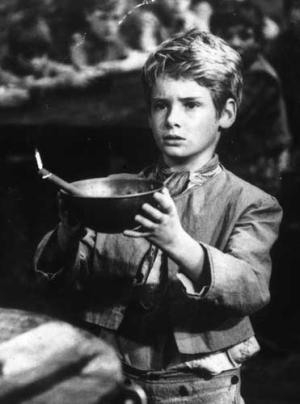
I invented a game which was a great hit among the neighborhood children. It was called “Winter.” We would wander around the quasi-canyon in my back yard pretending it was snowing, that we had nothing to eat, and that we were–of course–orphans.

We usually did this while wrapped in my mother’s picnic blanket and a number of beach towels, pretending to shiver pathetically. Since I’d invented the game, I got to be the one who would carve chunks of dry rot out of the old stump under our clothesline. This was the main ingredient in what I called “stew,” which was basically a pot full of creek water and… well… chunks of dry rot. Which we would then pretend to eat. Slowly, in order to stretch it out and assuage our faux hunger.

It was important to make only a parsimonious amount, so we could pretend to suffer adequately. When we were feeling particularly melodramatic, we would call the contents of the pot “gruel.” Same basic recipe, just more creek water and fewer stump chunks. Amazingly enough, not a one of us had yet discovered Edward Gorey.

All of this to say that as a person raised for the most part in California and Hawaii, I vastly prefer my romanticization of winter from afar to the actual fucking season. To which you would be perfectly justified in replying, “well, DUH, Cornelia.”

And all of that to say that I basically suck at winter. Okay, HUGELY suck at winter. Which is my only excuse for totally spacing this blog two weeks ago. Even though I was in Florida at the time. Which of course compounds my guilt.

I did not, in fact, FORGET to blog. No, that would have been the obvious thing to do.

Instead, I wrote a blog post and posted it at The Lipstick Chronicles. On someone else’s day. And then headed back out on a circuitous chunk of road trip with my mother and totally forgot to check on comments at the other place. Which is luckily a place at which I blog with wonderful people equally as smart and fabulous as you fabulously brilliant people here, so somebody did me the favor of taking the post DOWN so I wouldn’t look like as much of an idiot as I am. Which is quite an idiot, as you might imagine.

So. February. I say we all need more gruel, though I would prefer to curl up under my sofa with a cake-mixing bowl (large) of warm gravy and a fifth of dark Haitian rum.

And just ignore everything until March first. That would be ideal.

And to compound the compounding, I didn’t fall asleep until three this morning, and… well… here we are. Thank you for being so patient with me. You guys are awesome.

And once again, dear ‘Ratis, I ask for your wisdom: How do you survive seasons of gruel–of the body, or of the soul? The woman with the brain of an ADD-raddled fruit fly would like to know.

Taking It On The Chin

Zoë Sharp

Somebody once told me that writers have to take more criticism in a year than most people have to deal with in a lifetime.
 

The advent of the internet has turned everyone into a critic. Not just that, but an anonymous critic. In some ways this is good, if it allows somebody to speak their mind when they would feel constrained not to do for otherwise – for whatever reason.

Of course, in other ways it’s terrible, because it allows people to be snide and nastier than is called for, in the knowledge that there won’t be any comebacks should they happen ever to bump into the author they’ve slated.

Getting honest, critical feedback on your work is always going to be tough. I’ve found that writing fiction is far more personal than the non-fiction article work I did previously. That was easy – I was telling someone else’s story and somehow the ultimate responsibility for it also lay elsewhere. All I had to do was make my words convey the meaning without getting in the way of the story itself.

Although most of the time I approach fiction is much the same, there’s no doubt it is very different. It is the collective jottings and jumblings from inside your head, which you are spilling onto the page for anyone to pick apart with a sneer for your apparent lack of nuance or narrative voice.
There is nothing more terrifying than being given a blank piece of paper and told to let your imagination soar.

OK, perhaps there are slightly more terrifying things. This pic of a giant coconut crab, for instance, still makes me nervous about going to put out the garbage, although apparently they’re bought as pets in Japan.
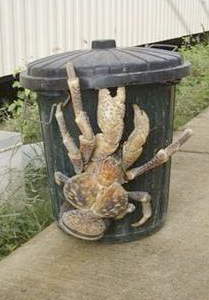
 

Very cuddly, I’m sure. But I digress.

At the beginning of last year, I found a great writing group, the Warehouse Writers, which meets in the Warehouse Café at the Brewery Arts Centre in Kendal on alternate Wednesday evenings. We email work around the group beforehand, which gives everyone a chance to read it and make notes. On the night, a sample of the piece is read out – either by the author or by someone else, so the author can hear it for themselves – and everyone throws in their two-pennyworth.

The group is about twenty strong, although the average turnout would be less than half that, but those who participate do so actively. Several of us are working on novels, or short stories, poetry, non-fiction or memoir.

I like the group because of its honesty. I may not always agree with their comments – in fact, sometimes they don’t always agree with their comments – but they give definite food for thought without animosity.

After all, the last thing I want is to be given encouragement to continue down the wrong path with something. Ultimately, being given false hope will lead to greater disappointment.

The problem I suffer from – and I think every writer suffers from this at some point or another – is that by the time I’ve finished a piece of work, I have lost all judgement about it. I can’t tell if it’s the best or the worst thing I’ve ever written, and sending it away for anyone’s opinion is agony. You hope for the best but expect the worst, and any delays seem to confirm your darkest fears – that the work is so poor it’s failed to hold their attention. The fact that the person to whom you are sending it may have been too busy to do more than download the file or open the envelope before putting it to one side, has no relevance here.

Hope makes us dream of being contacted within days – hours – and told that this is the best thing the person has EVER read, EVER, and they want to publish/submit it just as it stands, with no alterations. You are not to touch a word of your deathless prose, not even to move one comma.
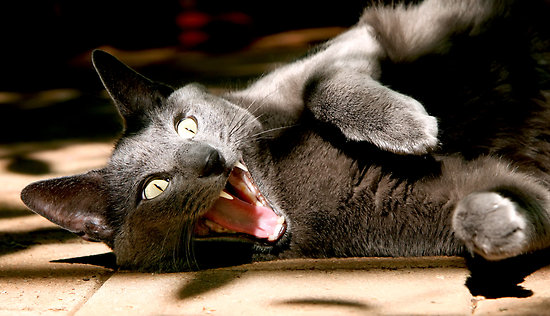
 

Yeah, right.

Experience tells us that when they do eventually get back to us, their praise will be cautious and there will be many points they don’t like/understand/ believe work in the context of the rest of the story.
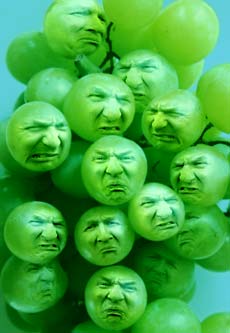
 

And because I have a warped sense of self, even if by some miracle the Hope scenario worked out, I’d be worrying that they didn’t want anything changing because they simply didn’t know where to start trying to make something worthwhile out of such a morass.

But, realistically, what do you expect when you send a piece of writing out for critique by anyone? And at what stage should you send it? First draft? Twenty-first draft?

I like to send out the opening of a new book. Finding the right jumping-off point for a story is so important, and a first-time reader may only give you a certain number of pages to come to a decision on whether or not to continue, so for me it feels vital to get this right. I’m looking for as much doubt and criticism as possible at this stage. It’s the foundation for the story – if it’s not solid, the rest of the construction may come tumbling down.

Then I also like to send out something when it’s in its first completed draft form. I self-edit as I go along, so I hope that by the time I’ve reached the end, I hope it’s a reasonably clean typescript.

I always make sure I send something out when I know there is still an opportunity – and probably several – to make changes based on the opinions I receive. I’ve lost count of the number of times I’ve had stuff sent to me only to be told that it’s already gone out on submission. Are these authors looking for critique, or simply affirmation?
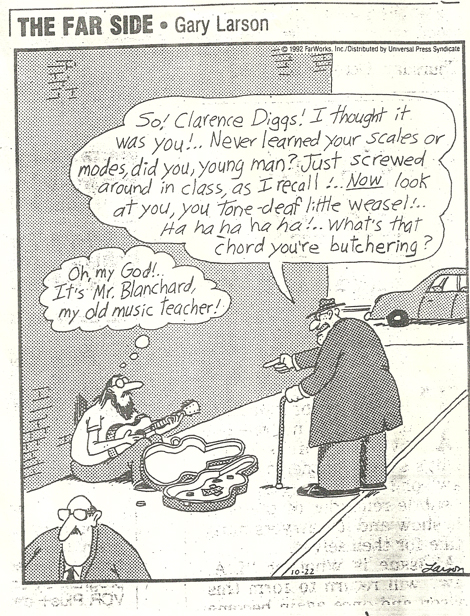
 

I have come across some people who bring pieces of work to a writers’ group meeting (not the Warehouse one, I hasten to add) that is not only already as finished as they’re prepared to make it, but which has already been submitted and possibly awarded prizes in competition. I’m not sure what they hope to gain from this exercise other than admiration. Even if I spot something that I would change, it’s pointless to suggest it, because the time for minor alterations is past. Mostly, I am at a loss to know what to say other than, ‘Erm, yeah … very nice.’

And that’s the kind of approval you can get from your mum.

Although, now I come to think of it, my mother has never said much in the way of admiration for my work. It was only when I was about six books into the Charlie Fox series that she told me she didn’t care for Sean much …

So, ‘Rati, if you’re a writer, what do you hope for when you put a piece of work up for critique? How much does that expectation differ from what you actually get? And if you’re not a writer, do you have any examples of times you’ve performed a task at home or work and looked for feedback? Did you get it? What makes you feel good about criticism? What makes you feel bad?

This week’s Phrase of the Week is Sweet FA, meaning anything boring, monotonous and now worth describing. Although this has come to mean Sweet Fuck All, it actually stands for Sweet Fanny Adams. Fanny Adams was an eight-year-old girl from Hampshire who was found murdered and dismembered. At about the same time as this crime, the British Navy changed their rations from salted tack to tins of low-grade chopped-up sweet mutton. The new ration was tasteless and unpopular, so sailors suggested with macabre humour that the new meat was the remains of the murdered girl, christening the ration Sweet Fanny Adams.
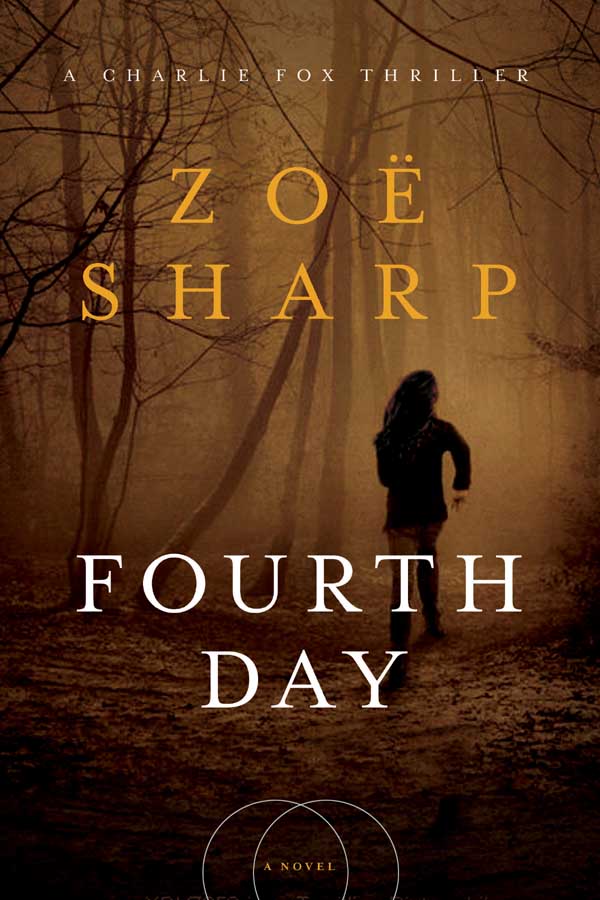
And finally, I hope you’ll forgive me two bits of BSP. I’m off to the States next month on a signing tour for the US publication of FOURTH DAY. The full tour itinerary is on my website here. I hope you’ll check it out and, if I’m at a library or store – or convention – near you, that you’ll come and say ‘Hi!’

The second bit is that I’m absolutely chuffed to little mintballs, as my friend Donna Moore would say, that FOURTH DAY has been nominated for the Barry Award for Best British Novel. The results will be announced at Bouchercon in St Louis in September. But, until then at least I can bask in the reflected glory of a shortlist that also contains Kate Atkinson, SJ Bolton, John Connolly, Reg Hill and Roslund & Hellstrom!