Author Archives: Murderati Members


THE 110% SOLUTION

by Gar Anthony Haywood

One of the things I have struggled with throughout my writing career is the nagging fear that I may not be working hard enough.  People who realize great success in this world tend to fight their way to the top, they don’t simply ascend to it, so working extremely hard to get what I want has always been part of my great Master Plan.

For the most part, I think I have worked hard: I’ve put in long hours, rewritten my work endlessly, and cultivated relationships with dozens of people capable of moving my career forward.  I’ve done things to promote my writing that have forced me completely out of my comfort zone, and I’ve done scores of readings and signings for no other reason than to avoid the bad karma of declining.

But I don’t work sixteen-hour days.

I don’t Tweet.

I don’t push myself to write X number of books in Y number of months.

I don’t do cold calls seeking reviews or reads or meetings.

I don’t blog on multiple websites.

I don’t follow book-industry news on a daily basis just to keep up with the latest developments in e-publishing.

I don’t attempt to sell myself to anyone I don’t have reason to believe will be at least vaguely interested in buying.

I have my reasons for all these “don’ts,” of course:

I’m a married father of two pre-teen children who needs his sleep.

I’m on a very limited budget.

Self-promotion makes me feel like an ass.

I have a low tolerance for rejection.

All of the above would be fine if I were selling my work in decent numbers regardless, but I’m not.  As I’ve alluded to here on occasion, I’ve been writing from the depths of a career downtrend for a while now, so if ever there was a time to pull out all the stops to get ahead, this would be it.  The trouble is, I feel like I am pulling out all the stops.  The effort I’m making now to grow my career feels like everything I’ve got to give, despite all the things I’m not doing that so many writers today are.

But maybe I’m just kidding myself.  Maybe I’m in denial.  Lazy slackers are always the last to realize they are lazy slackers, so maybe I have a lot more to give in terms of elbow grease than I’ve simply been willing to admit.

Maybe what feels like 110% effort to me is in fact only about 85 percent, relative to the real ass-kickers in our business.

If so, I’ve got to find that extra 25% somewhere, and fast.  Because my desire to succeed as an author is as strong today as it’s ever been.  Despite all the seeming evidence of sloth and indifference to the contrary.

Mark Billingham

By Martyn Waites

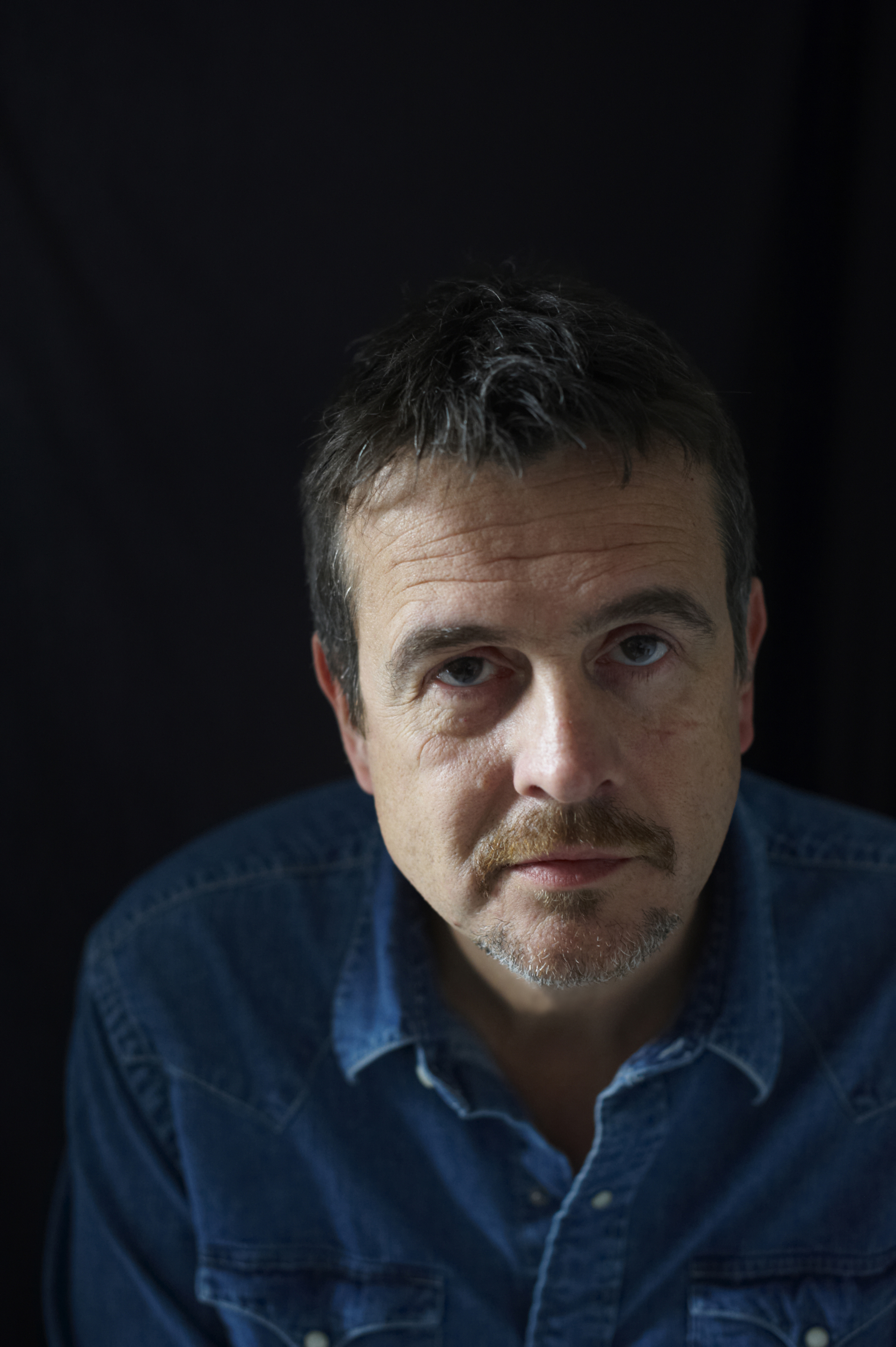
Ex-actor and stand up comic Mark Billingham is, quite simply, one of the best crime writers going. Bar none. If you haven’t read the internationally bestselling, multi-award winning Tom Thorne series then it’s high time you did. You’re in for a treat. He’s also (for the sake of full disclosure) one of my best friends. So without further ado, here’s the lad himself . . .


Writing’s a very different kind of life to stand up comedy. Do you miss stand up comedy at all? Or do your performing itches get scratched by doing book events?

I miss the buzz of performing rather more than I miss the company of comedians. Don’t get me wrong, some of my best friends etc etc, but many of them are deeply twisted, frighteningly needy and horribly competitive. Crime writers are a MUCH nicer bunch, that’s for sure. I certainly don’t miss hanging out in a grotty dressing room in the early hours of the morning or trying to get laughs out of an audience who are tired or drunk or both. You’re right of course, I tend to get my performing jollies at book events. You and I have done enough together, so I know that you’re much the same. It’s important to deliver some kind of performance when you’re reading or even when you’re telling cheap gags prior to reading. I don’t need very much encouragement to start performing…

Absolutely.  I feel exactly the same.  And I think it makes for some much more interesting events too. Now, you wrote some children’s books a couple of years ago. How difficult was that compared to the crime novels and are you going to try that again?

Well I probably won’t be doing it again. I wrote three YA novels and for those three years I was writing two books a year and I don’t think I can do that again. It was every bit as difficult as writing any other sort of novel (just with less sex and swearing). The processs is exactly the same. The books were as dark as any of my crime novels with body counts that were higher, if anything. In retrospect it was a mistake to write the trilogy of Triskellion novels under a pseudonym (Will Peterson) and they may have sold better if I’d stuck my name on them but I was writing them with somebody else (my old TV partner Peter Cocks) and I’m always suspicious when I see two names on the cover of a book. I’m always asking myself who was doing the writing and who was making the sandwiches. In the case of the Will Peterson novels, I was making the sandwiches. Cheese and Marmite. Lovely.

Cheese and Marmite? Is that just to annoy Stuart MacBride?

Well I’m a big Marmite fan, and knowing how much it upsets Stuart just makes every mouthful even tastier. I mention it every chance I get as revenge for him using me as a character in one of his books and giving that character a Phil Collins ringtone!

Oh, that is cruel. I popped up in one of his as a big-nosed, Geordie, western shirt wearing Elvis impersonator. I may have gotten off lightly.

Now. Thorne. He’s a great character and a great series character. How long do you see him going on for? Are there a finite amount of stories you can tell about him?

Well, thanks for saying that. I see him going on as long as I’m still finding it interesting to write about him. It’s the great worry for those of us that write series, isn’t it? Writing that one book two many. Or MORE than one too many. I’ll certainly be breaking it up with standalones to try and make sure the series stays fresh. One of the things that helps I think is that I genuinely have no plan for Thorne, no dossier about him. The reader knows as much, book on book, as I do. So I’m hoping he can stay unpredictable at the very least. When the day does come to say goodbye, I’m still largely undecided as to Thorne’s fate. Right now it’s a toss up between a grisly death, and a happy retirement in domestic bliss with Phil Hendricks – running a nice antique shop in the Cotswolds. 

D’you know, I can totally see that. In fact, I reckon there’s a spin off series in it. It could take over the Lovejoy slot on BBC1 on a Sunday evening. Thorne and Hendricks: Antiques Detectives. Crime and cake. Yeah, it’s probably worth doing just for that.

Let’s write it, Martyn. I’ll make the sandwiches… 

You’re on. Now, you always seem perfectly happy to work within the crime genre. Would you consider writing outside of it? If so, what would it be?

I’ve never really considered that, partly because as you say I’m very happy to be writing crime fiction, but also because I genuinely don’t believe I could do anything else. I think as I write more I become less interested in the crash bang wallop of crime fiction and am starting to focus more on what John Harvey calls the ‘looking out of the window’ moments. I think there will be less onstage violence as I go on though I’m sure the books, if anything, will become darker in tone. I’ll always write crime novels, but I certainly don’t want to write the same crime novel again and again. If you had a gun to my head and I HAD to do something outside the genre? Well, you know how much I love comics, Martyn…

Oh, indeed. Despite my best efforts you still remain resolutely uneducated where comics are concerned. So are you telling me that if DC asked you to write Mr Terrific you’d say no? Then we’d have to develop our plans for the Pie Man and Sausage Boy graphic novel series.

Oh, don’t get me wrong, I’d drop almost anything if we could write Pie Man and Sausage Boy. It’s a dream job.

Music plays an important part in your novels. How important is it in establishing character and atmosphere? And do you wish Tom Thorne still had an interest in dance music?

Are you perchance referring to the ludicrous mistake I made in the first Thorne novel, Sleepyhead? Of course you are. Back then I thought that I could not possibly give Thorne the same taste in music as I had. So along with the country (Cash, Williams, Nelson etc) I gave him a taste for techno and speed garage – music which I personally cannot abide. I thought it would be interesting. I was wrong. It was just stupid, so I dropped it immediately and in the second book it just mysteriously…disappears. Music is hugely important to me – as I know it is to you – and though I don’t listen to it while I’m actually at my desk, I’m listening to it most other times, so it always finds its way into the books. Country is perfect music for crime fiction, I think. These songs are bleak, black stories but told in an entertaining and melodic fashion. I think the fact that Thorne loves this stuff says a lot about him. He relishes the bigoted reaction it provokes, as do I. I know I’m not alone in this. You remember when you and I were at a Richmond Fontaine gig a few years ago? We looked around and most of the crime writers in London were in that audience!

Oh, I do indeed. That was the night I realized that with this crime writer/music thing, we’d all gone beyond parody. It was a great gig, though. Which leads us on to . . .

Rush of Blood. How did that come about as a standalone?

It was always going to be a standalone. It was a story that had been rattling around in my head for a while and the time felt right to get on with it. It was a really enjoyable break from the series even if it sometimes felt scary to be outside my comfort zone. I’m starting to realize I think that every writer needs to get outside that zone every now and again. There have been previous occasions when a book that began as a standalone ended up with Thorne barging into the story. This time I resisted that temptation, although he does make a cameo appearance right at the end. I did the same thing with the previous standalone (In The Dark) as I think it’s a nice way of giving the fans of the series a hint about what might be coming next. So readers of Rush Of Blood will know what’s happened to Thorne since they last saw him in Good As Dead. He’ll be dealing with the ramifications of that in The Dying Hours which is coming in May.

Speaking of Rush of Blood, did you intentionally name it after a Coldplay song?

You know how much that hurts me, Martyn? That kind of accusation is totally unjustified. It would be like me hinting that you had named a book after a Queen album? There, that gives you an idea of how terrible I feel. Just the association with Coldplay has made me a little bit sick in my mouth. To be serious – for a change – I just thought it was a perfect title and had to mentally distance myself from any unpleasant musical associations. How’s your new book coming by the way? I’m really looking forward to the next Tania Carver novel, “I Want To Break Free”.

Queen? As you well know, that’s fighting talk … I would never name a book after a Queen song. Never. The only book with the same title as a Queen song should be Brighton Rock. Although if you ever do a book about Phil Hendricks going bad you could call it Killer Queen …

You probably have the second best sartorial excellence in the crime fiction world (after me, of course). Where do you get your shirts from?

Well, obviously I get them from the same place you do because on several occasions we have turned up at book events wearing identical shirts. We must be the only writers around who need to text one another prior to an event or a festival appearance; not to discuss running order or format but simply to check what shirts we are wearing. These things are important and I feel confident that at this summer’s festivals there will be some ass-kicking shirts on display.

From both of us, I think you’ll find. Can you remember that radio interview we did together in Leicester? We’d both turned up in plaid western shirts and the DJ announced, ‘Well you can’t see Mark Billingham and Martyn Waites sitting here, but it looks like they’ve just come down off Brokeback Mountain . . .’ Oh how we laughed about that. Eventually.

So what’s next for Mark Billingham and Ton Thorne?


I’ve already mentioned the new Thorne novel which is called The Dying Hours and is out on May 23rd. Thorne is trying to deal with a major change in circumstances as far as the job goes, at the same time as trying to catch a killer who seems able to make people take their own lives. As far as I know there are no connections with Coldplay. I’m very excited about this one coming out and going on the road (in nice shirts) to support it, but I’m already well into the next book, which will also be a Thorne novel. Can’t say too much, other than it’s basically a twisted kind of road trip which Thorne has to take alongside an old adversary. Once again, no Coldplay records were bought or listened to during the making of this novel.

Thank God for that.

Amen!

The Woman in Black

By Tania Carver (Martyn Waites)

As you might have heard by now, news has been released that I’ve been asked to write the sequel to Susan Hill’s The Woman in Black. I said yes, of course. I was actually asked before Christmas and was told to tell no one (Unless I was drunk in which case feel free to tell everyone. They didn’t actually say that bit. But I did it anyway.). Still, it’s good to actually be able to tell people about it while I’m sober. And it’s all properly official: The Bookseller picked up on it, as did The Guardian and The Times. I even did an interview about it with Den of Geek. So I guess it must be actually happening now.

When the news was announced last week I was teaching a class at university. When I came home, it seemed like the internet had exploded. Or my little corner of it, anyway. I had messages from all over the world, friends congratulating me, wishing me all the best with it, one even saying he didn’t think he would have the balls to do it himself (more on that later). So, all buoyed up with this excitement, I took a look at the Guardian’s article. Lovely piece, well-written, showed both me and the book in a positive light.  Good stuff. I then paged down to the comments. Specifically the first one. That talked of how sequels were always shite.

Thank you very much, I thought, crashing down to Earth. I then read on to see what everyone else had to say. And by and large, they all agreed with the first correspondent. Very heartening. Luckily, I couldn’t see what was written on the Times’ website. That was me told. And it also made me realise what I’d actually taken on.

I’ve never done anything like this before. Never undertaken a project that had so much riding on it. So many people have so many different kinds of expectations for it. Some hated the film version, some loved it. Some preferred that to the book, some the book to the film. All sorts. It’s a proper, head-above-the-parapet public property. And to be honest, if I’d thought about it in those terms I probably wouldn’t have done it. That made me think again of what my friend the writer Neil White said that I mentioned earlier about having the balls to do it. And have I got the balls to do it? Well obviously I must, because I’m doing it. But I didn’t look at it in those terms.

At the end of last year I wrote about my two main cultural things of 2012. One was being introduced to the fantastic music of Y Niwl, the other was the Hammer Films retrospective I attended. That was exactly a year ago to the month and it kicked off with The Woman In Black. Now, a year later, I’m writing the sequel and my name is going to be on the spine of a book alongside the word Hammer (Since it’s being published by Hammer Books). I could take up the space of a three volume Victorian novel and still not tell you just how thrilled I am about that. And that’s why I said yes. It’s not a question of balls, or of wanting to try and better the original or of thinking I could (I couldn’t). I was asked if I wanted to be part of something that’s meant such a lot to me in my life. How could I say no? 

I’m a huge fan of not only the original novel but of Hammer’s screen version. I’m also, as is well-documented elsewhere, a huge Hammer geek in general. Hammer’s glorious, gory, Gothic melodramas are hard-wired into my writing DNA. They’re as formative an influence on me as where I grew up and who I grew up with. Saying yes to this job was a no-brainer.

I’m not naïve. I know it could all go wrong. True. It could be, as that poster said, shite. Obviously I hope not. And I’ll try my damnedest to make sure it isn’t. I’ve never let a piece of work be published that I wasn’t totally happy with and I’m certainly not going to start doing that on a project with this kind of profile. I’m going to be under a lot of scrutiny and I’m sure some people won’t like the end result. I’m prepared for that now. But in way that’s OK, because some will. I hope. I’ve never done anything like this before and I want to make it the best it possibly can be.

Anyway, judge for yourselves. It’s out in the UK in November. Needless to say, I hope you enjoy it.


SELLING OUT

by Stephen Jay Schwartz


I grew up in the Seventies and in the Seventies artists didn’t expect to get rich being artists unless the artistic value of their work was magically discovered by the world or they did what most artists would never, ever consider doing: sell out.

Selling out meant they went commercial.

I remember my first encounter with the concept. It was in 1988, when Eric Clapton played “After Midnight” in the famous Michelob commercial that turned many of his fans against him. What was he thinking? Did he really need the money? Didn’t he have any integrity? These were the questions people were asking at the time.

I remember the scene in the movie The Doors. Jim Morrison came back from one of his black-out drinking binges to discover that the rest of the band sold the rights for “Light My Fire” to a car commercial. Jim was incensed. How could his bandmates have sold out like that? Nowadays, most bands would kill to sell their music rights to a television commercial.

The late Sixties, the Seventies. Antiestablishment years. Us against the man. The Man, represented by the cops, the politicians, and corporate America.

The Eighties saw the rise of a different kind of attitude. In the movie business the corporations took over and started developing content. Star Wars and Jaws began the trend, while films like Flashdance sealed the deal. Gone were the days of Apocalypse Now and Midnight Cowboy. At some point, making a big, popular movie wasn’t considered “selling out,” it was considered “making it.”

I’m not sure artists struggle with the concept anymore. I don’t hear people complaining about how their favorite musician, film-maker or author “sold out.” The only guy that comes to mind for me is Kenny G, who I mentioned in my last blog. He went from being a brilliant, unknown jazz fusion artist to a hugely successful brand name, playing simple, sappy elevator music for the masses. I really don’t believe he was playing the music he loved, I think he was playing the music that sold. In my humble opinion, of course.

I suppose it’s really up to the artist involved. If an author writes a purely commercial novel that he hates to write, just so he can widen his readership and make some money, has he “sold out?” Or has he simply given himself some breathing room, so the next time he can write the “special” novel that may or may not have a chance at gaining commercial success?

I tend to think that most authors I know write exactly the type of novels they want to write. Some try different genres in an effort to gain a foothold in new readership, but I don’t know if they see themselves as “selling out” when they do this.

Most authors I know just want to write for a living. They’ll write anything and everything in an effort to turn that dream into a reality. I do, however, know an author who turned down a high-paying ghostwriting assignment because the employer was a highly-annoying radio talk show host who didn’t share the author’s political views. I don’t know if the author would have considered himself a sell-out if he’d taken the job; I think he just realized that the money wasn’t worth the headache it would cause.

Personally, I’d love to only write books that I’m passionate about writing. I was passionate about writing Boulevard and Beat. When my agent told me to write a “bigger book,” something more “international in scope,” I struggled to find my way. It felt like I was trying to write for the market. And no one can predict the market. It felt like I was writing Hollywood screenplays again. I had to come back to myself to determine what I really wanted to write, something that may or may not be considered commercial or marketable. I only have so much time to devote to my writing and, in the end, I want to know that I really love what I’ve written. Maybe this is what keeps me from getting those juicy ghostwriting gigs. Not that I wouldn’t take them–because it’s work and I want to be a working writer. But if ghostwriting doesn’t pay enough to quit the day job, if all it does is take time from the projects I love, well, I’d rather let those opportunities go. I’ll keep the boring day job and write passionately, for myself, after hours. I guess these are the choices we make. As far as “selling out,” I don’t think I’ve found myself in a position where I can make a choice either way. I first have to establish a career from which to sell out. I’m working on that.

So, what do you think? Are there any authors, painters, dancers, musicians, actors, or film makers that you feel “sold out” in order to advance their careers? Does it even matter?

Sidetracked

Zoë Sharp

Confession time. I last worked in an office environment—as in working for somebody else—twenty-five years ago. All I had on my desk back then was an electric typewriter and a landline telephone. The answering machine still had tape cassettes in it. I got to work in the mornings worked all day and went home at five-thirty.

OK, it was not without its occasional moments of drama, like the time I accidently got locked into the building one night and had to climb out of a upper-storey window and then scramble across rooftops to freedom. Or the time, one week into a new job, when the boss said, “Right, we’re off on holiday next week. If the bailiffs arrive while we’re away don’t let them take anything …”

But generally the biggest no-nos were arriving late or sneaking off early. People didn’t even leave their desks to have a smoke. In fact I used to work sandwiched between two people who both chain-smoked and would leave cigarettes burning in their ashtrays while they nipped out on some errand. They didn’t like it when I stubbed them out in their absence. My excuse was if I had to smoke passively while they were around then I was damned if I was going to do it while they weren’t.

My how things have changed. (Eeh, I remember when all this were fields, etc.)

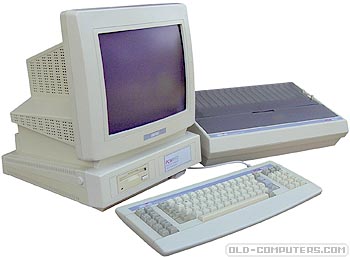
And when I set up in business on my own as a freelance photojournalist back in 1988 my word processor was an Amstrad 9512 that had no internal memory and required the insertion of a Start-of-Day disk to remember what it was in the mornings.

If there was a mouse anywhere near it, it would have looked like this:

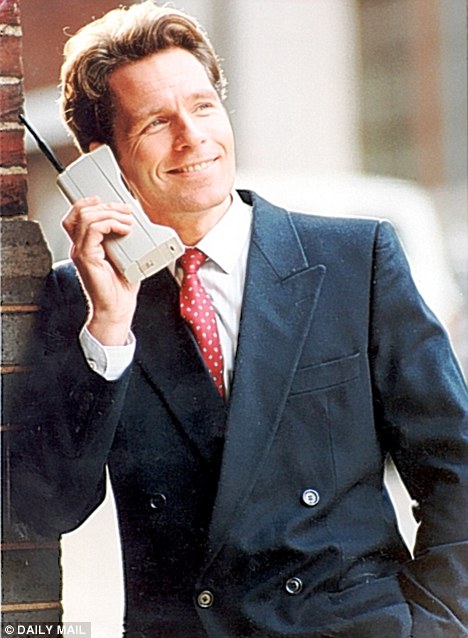
I was pretty technologically advanced by owning a computer at all I can tell you! Not to mention my Motorola brick phone. Groovy, man.

Distractions were simpler in those days. They involved staring out of the window:

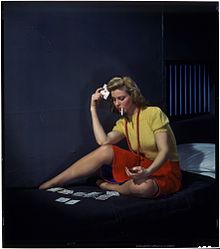
And game of solitaire meant shuffling the deck before you began:

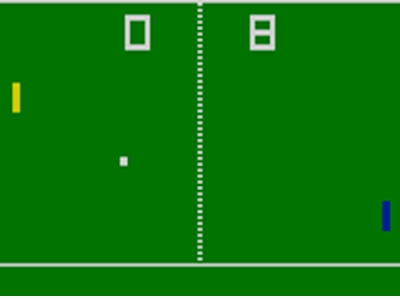
Early computer games were not exactly Call of Duty:

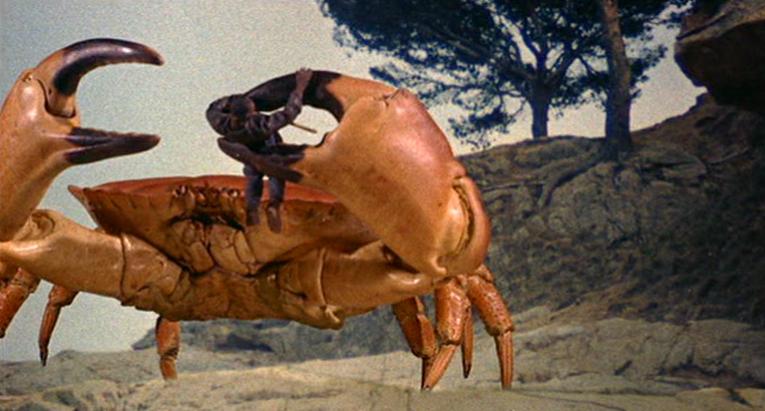
But now we’re overwhelmed with daily distractions. If it wasn’t for rapidly encroaching deadlines could spend so long getting sidetracked every day I could practically walk like a crab:

But that can sometimes be a good thing, and I thought I’d share with you some of my favourite time-wasting sites:

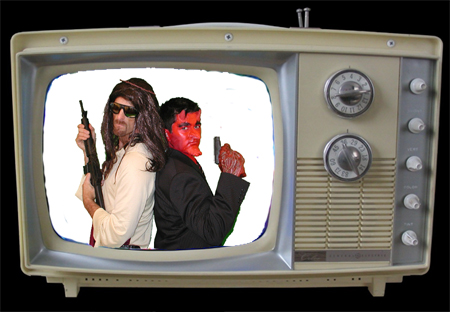
They Fight Crime!

“He’s a shy zombie photographer trapped in a world he never made. She’s a supernatural French-Canadian bodyguard who inherited a spooky stately manor from her late maiden aunt. They fight crime!”

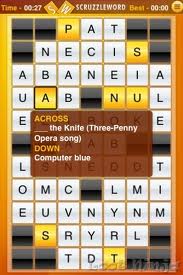
Scruzzleword

I’m hopeless at crossword puzzles, but somehow I can’t leave this one alone.

Internet Movie DataBase

Always on my favourites’ list for when I want to know obscure facts. Did you know that Florian Henckel von Donnersmarck, director of The Tourist is 6’8¾”?

What is your Pro Wrestling Name?

Mine came out as Full Metal Darkshadow, or the Diva alternative was Titanic Callgirl. How about you?

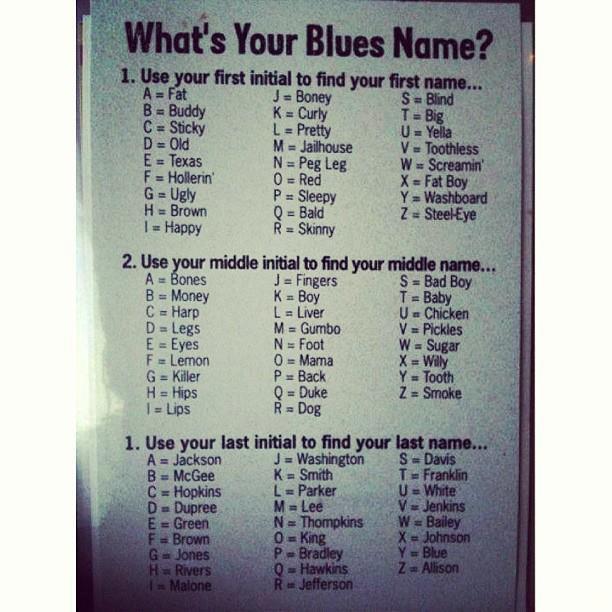
But just in case wrestling is not your thing, how about your Blues Name? Mine’s Steel Eye Davis.

So help me out here—or sink me deeper—what procrastination aids do you use to while away the help you concentrate while you’re mulling over a storyline?

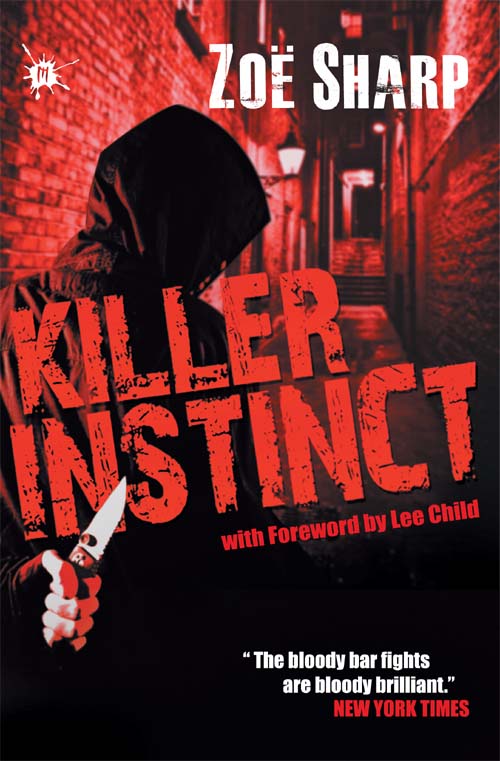
And please excuse the BSP but the new trade paperback edition of KILLER INSTINCT: Charlie Fox book one, complete with Foreword by Lee Child, is now available. Hurrah!

‘Susie Hollins may have been no great shakes as a karaoke singer, but I didn’t think that was enough reason for anyone to want to kill her.’

“The bloody bar fights are bloody brilliant”―Marilyn Stasio, New York Times

This week’s Word of the Week is librocubicularist, which is someone who reads in bed.

And finally, don’t miss out on six free e-books by top authors including Murderatos past and present JD Rhoades and Alexandra Sokoloff, plus CJ Lyons, Karen Dionne, Grant MacKenzie and Keith Raffel. Feb 20-22nd! Get ’em while they’re hot!


The Road Goes On Forever

By David Corbett

In my last post, I mentioned the need for near perpetual publicity in this day and age of publishing meltdown and online promotion.

A little over two weeks after my book release, I feel like I understated the matter considerably. I need seven more hours a day, five more days a week, and a bottomless bowl of Wheaties to tackle everything.

As for sleep…

There are the events and readings I’m doing in the Bay Area and Los Angeles—please come out if you’re nearby—including a wonderful panel I did with Ellen Sussman this past weekend at the San Francisco Writer’s Conference (they sold out of my book!).

There are the workshops I’m conducting—again in the Bay Area and Los Angeles, and also at Left Coast Crime in Colorado Springs, where I’ll be serving as toastmaster, and then in various northern California locales, at the DFW Conference in Dallas (where I’ll be co-keynote speaker with the lovely and charming and gifted Deborah Crombie), and finally, Memorial Day weekend, at the High Sierra Writers Conference in Reno.

There’s the various blogs I’ve posted for—call it Bombing the Blogs—including:

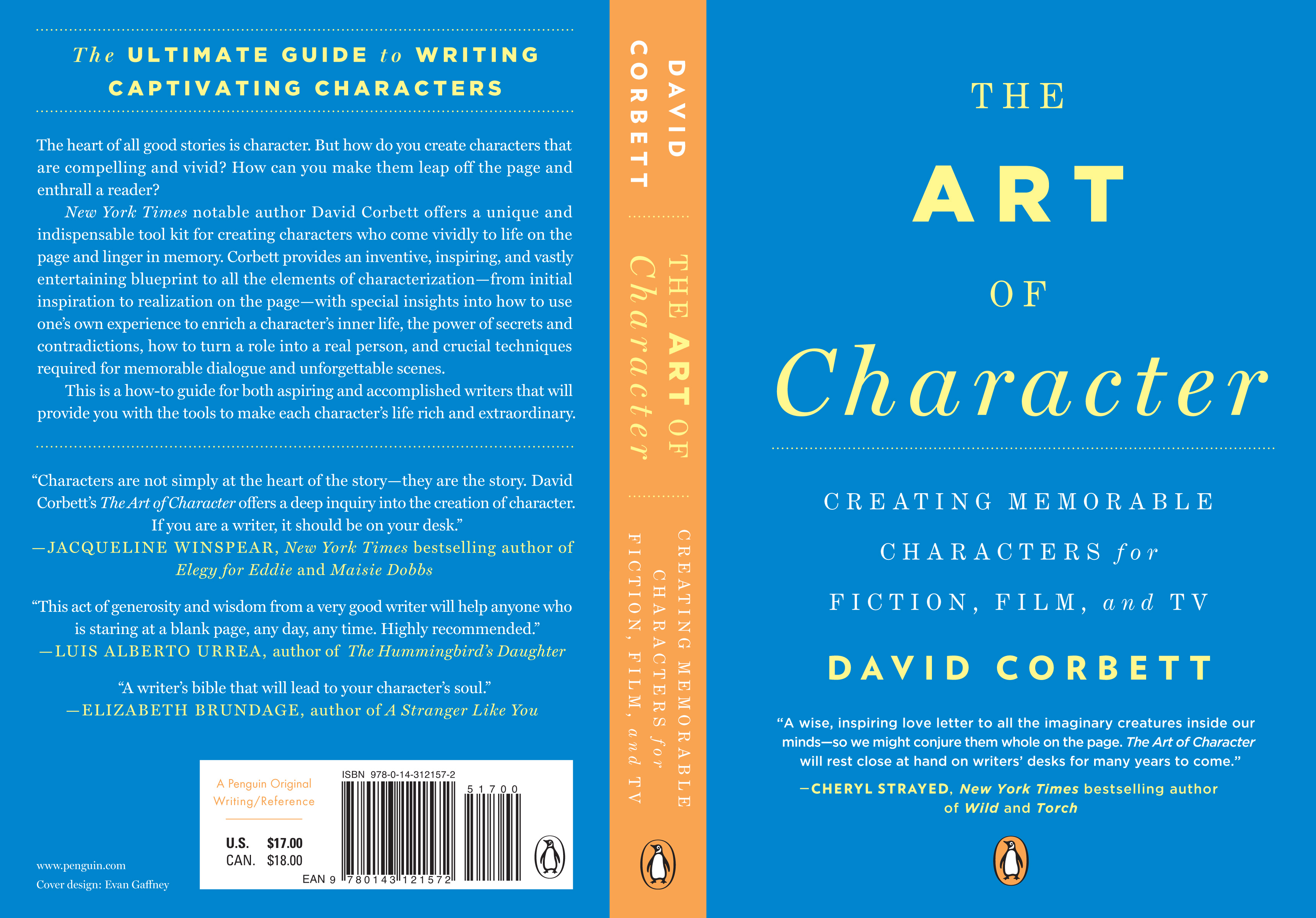
  1. book giveaway on Goodreads. I’m giving away five copies of The Art of Character, to be followed by a week-long Author Chat March 4-8.
  2. An interview with the writing community at Scribophile, with an extra forum for additional Q&A at the Scribophile Forum. (The interview is open to the public; the forum requires a free signup to join the community, which is much like Goodreads, but more writer oriented.) Scribophile will also soon be sponsoring a contest with free books and a free critique session as prizes: Stay tuned.
  3. I’ve posted various items with bloggers Kristi Belcamino (a Murderati regular), Vince Keenan, and Jungle Red Writers, with one planned with another Murderati regular, Erik Arneson, and more on the way.
  4. I’ve posted excerpts from The Art of Character at NarrativeZyzzyva, and We Wanted To Be Writers.
  5. And I’ve even touted what I keep nearby for pleasure reading at Books By The Bed.

Then there’s just keeping my News page on my website current, with updates such as:

  1. The Art of Character was chosen one of the 13 Top Picks for Writing Guides for 2013 by The Writer Magazine.
  2. My article, “Push Your Characters to the Limit,” appeared in the January 2013 edition of Writer’s Digest.

I’m pitching an article I wrote called “The Politics of Plot” to the Huffington Post, and one titled “Secrets & Contradictions” for the New York Times’ The Opinionator/Drafts column.

And then there’s the constant drafting of event invites on Facebook, keeping up with the ever-changing world of Amazon, communicating with everyone who responds to the book giveaway on Goodreads (and inviting others I know), answering comments on the Scribophile blog, updating what I’ve already done, building my Twitter base (hey guys, over here, follow me, follow me, no me, over here, I said here, hey guys?) …

Plus I have my online course through UCLA Extension — incredibly wonderful, hard-woring students from around the world — a new one I’m pitching to LitReactor, three manuscripts to review and edit, a novel to finish (close, I’m very close)…

I’ve yet to inload any financial date into Quickbooks for my 2012 taxes, I’m refinancing my house (don’t get me started), my car needed new tires and a new radiator before I headed south to LA, my computer keyboard has developed a new glitch where — only in Word — the forward cursor moves backwards and no one at Microsoft has a clue…

Then there’s the happier end of Things to Prepare For: My other half, Mette, is driving cross-country next month with Hamley, the Wonder Dog, and moving in with me.

(I’ll be traveling to Norway and Turkey this summer to meet Mette’s extended family. Yes, she’s descended from Vikings and Turks. This is not lost on me.)

So, let’s just say I’m keeping busy. Or busier. Make that busiest.

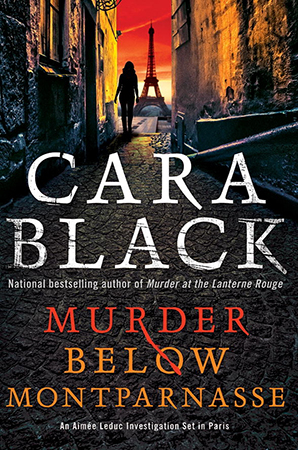
Every now and then, I get to read a book—which reminds me: Cara Black’s latest, Murder Below Montparnasse, is coming out on March 5th, and you can win a trip to Paris with Cara if you pre-order now. (I’ll be interviewing Cara about the new book on Wildcard Tuesday, March 26th.)

Oh, and lest I forget, you can buy copies of The Art of Character here.

* * * * *

So, Murderateros—what’s keeping you up these nights?

* * * * *

Jukebox Hero of the Week: Robert Earl Keen, Jr., one of the great Texas singer/songwriter/storytellers, with one of my favorite tunes ever, and something of an anthem for my life right now, thus the title of today’s post: 

Do writers have stances?

by Pari

This week I’ll finish the second half of my training in basic mediation. The experience so far has forced me to examine some of my hitherto subterranean assumptions about conflict, motivation, communication . . . and my writing. As a result, I’m currently working on an idea that remains woefully incomplete, but that might interest the ‘Rati.

The role of mediators is to help people in conflict come to mutually acceptable solutions. If mediators are good at their job, those solutions are generated by the “disputants” themselves. Whatever the mediators think of the individuals involved, the goals remain the same. Basically, mediators are the guardians of a process; they hold it foremost in their actions and words to create a space of trust and hope, so that the conflicting parties can move forward from their seemingly stuck positions.  The mediators’ fundamental stance is one of respect for their clients and a belief that the clients can come to solutions.

Some writers do this too. They honor the process of writing to the point where they spend their time discovering “what their characters want to do” within the story to make it whole. They may guide the process, but give the characters permission to expand beyond what may be been first planned.

Other writers are more like architects. From the moment they begin thinking about a story and their characters, each component is defined and part of a sound structure that might, possibly, be flexible enough to withstand high winds, but that already has shape before the first word is typed.

Freeform writers don’t dare have a goal — unlike mediators who absolutely do — and just want to explore, explore, explore. They may go back and polish or change after the fact, but their initial approach is all about the discovery.

Are there other predictable writing stances?

Egoists? Do they think their stories and characters are all about them?

Sadists? Do they put their characters into impossible situations just to see them suffer?

Masochists? Do they kill off beloved characters and cringe during the entire writing of the story?

Bosses? Are there a group of writers that demand their characters work hard and get the job done efficiently?

I don’t know! I’m just playing with an idea: Do writers have predictable approaches to their writing? And, if so, do readers sense these fundamental stances and, unconsciously, select the ones that are most copacetic with their own fundamental life stances?  

What do you think?


Are writers happy?

 by Alexandra Sokoloff

There’s a discussion going on right now on the mystery listserv Dorothy L, on the topic: “Are writers happy?”

Notice that the very asking of the question implies  the opposite, doesn’t it? 

I thought it was a question worth blogging about; it gives me the chance to expound on something that I’ve been mulling over this week.

You see, I’ve been car shopping, an activity that puts you into falsely intimate circumstances with strangers, and somewhat forces you to talk about what you do for a living. I always have the impulse to lie, because after all, why should I be the only one in the car telling the truth?  But car shopping is stressful enough without having to remember what story you told which salesman, so I generally end up confessing. And it’s amazing how many of these guys (they’re all guys) said the exact same thing to me when I told them I was a writer. 

“Living the dream…” 

Now, either a staggering percentage of car salesmen secretly want to be writers, or this is a fairly common feeling that non-writers have about writers and writing. Or maybe both.

It’s good for me to be reminded that I have the dream job, because I’ve been doing it so long that I tend to think of my writing career as a morbidly obsessive, slimy, desperate slog through the mountains of Moria with no torch, pursued by the Orcs of my imagination and/or the business. (Insert your own metaphor, that just happened to be the first one that came to me. I can think of worse.).

On the other hand, maybe I’ve been able to make the writing life work for me for so long because I DON’T glamorize it. I don’t sit down at my desk (or in my bed) every morning thinking that what I’m about to do for the next seven hours is going to make me happy. I think – well, I KNOW – that if I’m lucky I will lose myself in the process enough that at the end of it I will feel sluggish and stupid and barely remember what I did that day, but if I do it and two or three hundred more days like that in a row there will be a book at the end of it.

And that – is a kind of satisfaction that makes all the tedium and terror of the process worthwhile. 

Why that is I’m not even entirely sure. Because at the heart of it I’m a materialistic person and I need this stuff in my imagination to take solid form?  Because it DOES make me happy that other people read and enjoy my books? 

(And when I say MY books, I don’t really mean that. Because once the process is done, and I look at the book, it doesn’t really feel like I wrote it. It feels a lot more like I just brought this thing called a book back from some distant place, and when people praise me for it it’s really more like complimenting me on my mountain climbing or spelunking skills.)

Or is it just that old adage that if you’re a writer, you can’t do anything else? 

Most of my happiness around writing has to do with (as Dorothy Parker said), “having written.”  Because once you do that, you get to talk about the book with readers, the greatest pleasure of all, and go to writing conventions, which DOES make me happy because I get to be around people just like me, whom I don’t have to explain myself to and who maybe live life a little more fully in those moments because we’ve all just been momentarily let out of the cage we live in  called writing.

But in terms of fun, teaching writing is a lot more fun than writing.  I get to be with people who are still in love with the wonder of the process and who laugh at my jokes and when a workshop is over I am not still obsessively thinking about it for the rest of the day. Plus I feel like I’ve at least gotten some exercise, what with all that pacing around and wild gesticulation. Much more fun than sitting in a chair.

But I know that just teaching wouldn’t satisfy me the way writing books satisfies me. I think it has partly to do with mastery. When I was a kid and went to my first musical, I looked up at the dancers on the stage and thought (just like in that song from A CHORUS LINE) – “I can do that.”  Of course, I couldn’t, not then, and it was a long, long, long time and several million dance classes before I could do my own triple pirouette, but when I finally DID?  That click of – mastery – was the greatest feeling, a sense of accomplishment that never goes away, because it is in my body, now.  I’d gone from dancing to being a dancer.

The feeling of satisfaction I get from finishing a book doesn’t last that long, honestly. I need to write book after book to get that feeling.  But long ago I went from writing to being a writer. Just like with dancing, there is something in me that wanted the completion that only writing a book, and another book, and another, can give me. I’ve made that journey more times than I can count, and every single time I think I’m going to fail, but more times than not, I brought back a book.

Well, maybe that IS living the dream.

So I have to get back to the mountains of Moria. But for today, what do you think? Are writers happy?

Alex

CAREER BUILDING(S)

by Gar Anthony Haywood

As I’ve mentioned several times recently, the family and I are the proud owners of a new home.  We moved into a classic “fixer-upper” in the Glassell Park area of Los Angeles last October, and I’ve been plenty busy ever since putting the Humpty-Dumpty its previous owners had reduced the place to back together again (with the help of a few fine contractors, plumbers, electricians, etc., of course).

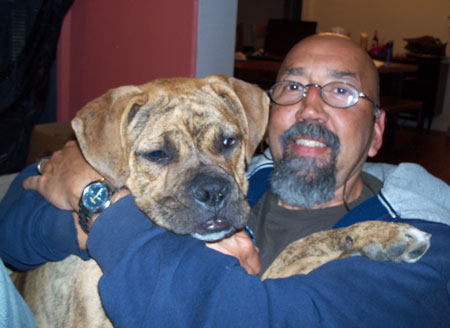
Not long after we moved in, in keeping with a promise the wife and I made our two kids, we bought a family dog.   Our first family dog.  His name is Bruno, and he was just a twelve-week-old boxer-slash-fill-in-the-blank (Mastiff?  Pit bull?) puppy when we first got him — but look at him now:

As the dog owners among you well know, owning a dog is a lot of work, and much of that work involves walking.  Lots and lots of walking.  I personally take Bruno out walking at least two times a day.  As Glassell Park is almost all hills, depending on the distance I choose to cover, these walks can be a real workout.  But I love them.  One, because I need the exercise, and two, because telling an author to go out walking his dog is essentially giving him a license to plot.  I solve more writing problems in Bruno’s company than I do sitting at my computer desk.

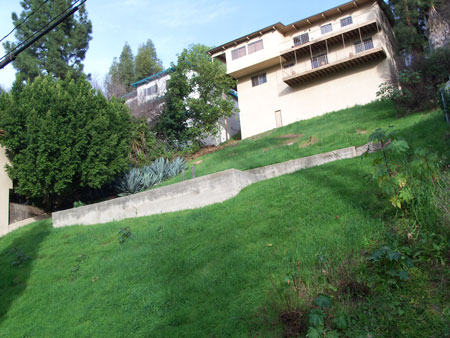
But there’s one other reason I enjoy walking the dog: Discovering my new neighborhood.  Exploring all its twists and turns, the “not-a-through-streets” and “no-outlets.”  Seeing and meeting the community’s diverse mix of people and marveling at its wild array of architectural styles.  In doing all this exploring two, sometimes three times a day, a curious thought has occurred to me: A house is a lot like a writing career.

Every author starts out here: On a vacant plot of land, peering into a future that seems vast and full of endless possibilities.

You sell a book, maybe two.  A foundation is built.  From that foundation, some authors — good, lucky, or a combination of the two — will go on to construct a veritable mansion . . .


. . . while others will build the foundation of a career and nothing more.

Some writing careers grow slow and steady, one floor at a time . . .

. . . and some either come to a screeching halt somewhere in the construction process, or simply peter out, like an old alarm clock winding gradually, inexorably down.

All too often, when a writing career falters before it can be made whole, it fades away to nothing, leaving little in the way of a mark behind to indicate it ever existed at all.

And then there are writing careers that wane but refuse to die.  Work picks up again, the once-dormant build site starts to hum with new life . . .


. . . and another mansion — or comfy cottage — eventually rises toward the heavens.


Or a new plot of ground is staked out upon which to start the construction process all over again.

Funny, the things a writer thinks about while walking his dog, isn’t it?

FACING THE MIRROR


By Stephen Jay Schwartz

It’s always good to do a little self-reflection now and again. I decided to Google questions about life, something to get me thinking about my priorities and how they’ve changed over the years. I found this little ditty on a site called TottalyTop10.com, under the title, Top Ten Questions for Discovering Your Life Purpose.

Q: If failure or money were not an issue, what would you do?

Schwartz: This is a great question because it removes the two biggest obstacles that keep us from following our dreams – fear of failure, and the fear that we can’t make a living doing the things we want to do in life.

When I was younger I would have answered that all I want to do is direct films. Now I’m not sure I’d want to play the Hollywood game, even if I could afford it. As they say, it’s lonely at the top. That said, I wouldn’t mind being an actor. I mean, if it were handed to me. If I didn’t have to suffer for it, year after year. And if I could act.

But the thing I long for, the thing that would provide me with a real sense of completeness…I’d love to work with gorillas in a nature preserve designed to help reintegrate them into the wild. I’d do the same with orangutans and Bonobo apes (the Bonobo is probably the smartest ape you’ll ever see, and the closest relative to humankind, sharing more than 98% of our DNA). All I ever really wanted to do as a kid was hang around animals. At my core, that’s still all I want to do. However, I don’t want to be murdered by poachers and I don’t want to see the wonderful animals I care for murdered by poachers and I’m not really sure I want to live in Rwanda or the Democratic Republic of the Congo. So, what I’m really looking for is a gorilla sanctuary located in Palos Verdes, California.

Q: What do people compliment you on or say you are good at?

 Schwartz: Communicating. Whether in writing, on the phone or in person. It spills over into the arts as well – communicating through music, writing and film making. I guess I love people about as much as I love animals. I’ve always loved hearing peoples’ stories and discovering the details of their journies through life.

Q: What do you enjoy doing in your free time? 

Schwartz: Reading books, watching movies. Hanging out with my wife and kids. Going to dog parks – sometimes I go to the dog park without my dog, just to watch and play with other dogs. Everything is great until the dog owners realize I don’t have a dog in the park. And then they give me the “weird” look.

Q: What do you like learning about?

Schwartz: Science. From astronomy to String Theory. I also like learning about peoples’ lives through reading biographies and watching documentaries, or through direct interviews. And I do like history, which is really like saying I’m interested in everything that’s ever occurred in human existence.

Q: If you could teach something, what would it be?

Schwartz: It seems the obvious answer is that I would teach creative writing or screenwriting. There was a time when I wanted to do that. But not so much anymore. I wouldn’t mind teaching Literature – basically turning people on to some of the great writers of our time. Sharing my passion for the discovery of great minds through great story-telling. But I’m kind-of tired of talking about three-act structure and character development. I don’t want to examine the process anymore – I just want to enjoy the results.

Q. What things make you feel happy and good about yourself? 

Schwartz: Spending time with friends, which I hardly ever do anymore. But I remember my days in college – the best times I had were the all-nighters with friends, screaming passionately about films, books and politics. I think this is why I’m so drawn to the Beat Generation writers and the artists of the Lost Generation. They talked and talked and talked and created and dreamed and it was all so vibrant.

Q:  In what areas do people seek your counsel?

Schwartz: I’m usually asked to help resolve conflicts between others. I was the VP of Sales and Marketing at my last job and I travelled a lot. When I came back in town and went to the office the employees would put a sign on the door that said, “The Doctor is In.” I was the only guy who would listen to everyone and try to resolve their interpersonal problems.

Q:  What would you regret not doing at the end of your life?

Schwartz: Ain’t that a tough one. I would regret not living in Ireland for a few years. I would also regret not living in Santa Fe, New Mexico. I would regret not working at that gorilla sanctuary. I might regret not doing at least one sky dive, unless of course that sky dive is the very last thing I do in my life.

Q: What do you value in life?

Schwartz: My family. They are the most important thing in my life. My writing and film career used to take priority over my family and, over the years, I’ve made an effort to change that. Now family comes first, even if it means I don’t get as much writing done as I used to. I can always write when my kids are in college. If I miss these crucial years with my kids it’ll be “Cat’s in the Cradle” for the rest of our lives.

Q: What causes or beliefs do you feel strongly about?

Schwartz: I’m not a big joiner of causes. I don’t like much of anything if it’s organized. And yet some really good, charitable work is done through the efforts of others and organizations that exist. I support Best Friends Animal Sanctuary and I’m behind the actions of Captain Paul Watson and the Sea Shepherds. I still feel like there’s a lot more I can do to get involved in charitable works. I mostly just subscribe to the dictum, “Can’t we all just get along?” 

Pretty good questions, eh? How would you answer them? Go ahead, give it a shot.

FYI – I’m on the road today from 5:00 am to 6:00 pm and I won’t get a chance to respond to comments until early evening. But don’t let that stop you from speaking your mind. I’m looking forward to reading your answers tonight.