Author Archives: Murderati Members


And Lo, There Shall Be . . . An Ending!

By Tania Carver (Martyn Waites)

The first thing I should say is that Cage of Bones is out this week in the States. Yep, the new Tania has arrived at last. There’s a link to it here. Hope you enjoy it.

That’s a beginning. Everything else in this column will be about endings.

The other thing to say is . . . the new Tania Carver novel is finished. Well, not finished finished, but finished.  You know, for now. It’s been handed in. I don’t think books are ever truly finished. Even when they’re on the shelves and have been reviewed and read and translated and re-jacketed and reissued and everything else that goes with them, they’re still not finished. Because I don’t think they ever can be.

There have been times when I’ve been doing a reading at an event and have stopped dead in the middle of the bit I’m doing. Why? Because I’m not happy with it. Because there’s always a better way to say things. Better sentence structure. More apposite words. A much more interesting or evocative turn of phrase. Something that shows a character in a new and/or surprising light. A more subtle way of saying something. Something like that.  Anything like that. And it’s too late to do anything about it.

I once read an interview with the brilliant Peter Gabriel where he stated that he never actually finished anything, it just had to be taken off him. And he’s right. I think you reach a tipping point on piece of work you’re doing, whether that’s a book, song, movie, whatever. You can keep refining and refining and polishing and polishing only up until that point. After that . . . oh dear. It’s like you’ve built something and instead of standing back to admire it you keep picking at it until it all collapses. Not good. The trick is in knowing where that point is and stopping there. Hopefully I get it right. But I’m sure I don’t all of the time. I’m sure I’ve come in under or gone over on several occasions. I’m sure we all have. Because nothing is ever truly finished.

One of the ways in which I know I’m approaching the end of a novel (and not just because it’s building up to a climax) is because routine sets in. I’m sure everyone does this to some degree and I’m sure everyone’s is different. Yet also quite similar in its way.

I’ve been getting up and writing in the mornings. A sure sign that the deadline is upon us as I usually don’t do that until the afternoons. And I always start the same: five games of freecell on the computer then off I go. Then when I’ve done my word count I’ve gone for a lunchtime swim. Thirty two lengths is half a mile. Then I’m out of there. While I’m driving back and forth to the pool I listen to the same songs every time, all by Bill Nelson. Here’s one of them:

Back to the desk and hitting the word count. Then once that’s done I watch an episode of something on DVD. Usually Gangsters, a 1970s tv show set in Birmingham. Then, if I’m feeling up to it, some more words. Then bed.  That’s my day. That’s how I know I’m near the end. 

But just because I reach the end, as I said earlier, doesn’t mean its finished. It’s going to come from the editor with copious notes. And I wouldn’t want it any other way. They often know better than I do when something does or doesn’t work. Then rewriting. Then hand it in again, then proofing, copyediting, typesetting then, eventually, it’s on the shelf. And I’ll pick it up, look at it and think what I always think. I should have done that differently.

Because that’s the thing. I always start out thinking I will. And I never end up that way. At the beginning of a new novel I’m always chock full of hope. This one’s going to be different.  Bigger, better, more structured, nuanced . . . this is the one I’m going to reach my full potential with. Not only is it going to be the best novel I can write but also one of the best ever crime novels ever written ever. Why stop there? Best novels written, full stop. I can hear the Pulitzer winging its way to me now.

Of course that never works. I end up with what I always end up with. One of my novels. I like to think that each one is better than the last but I honestly don’t know if that’s happening. I’m never the one to judge. I’m just the one who has to have the book taken away from him in the end.

So there you go. Or, as Stan Lee used to say, ‘Lo, there shall be . . . an ending!’ 

Except with a lot more exclamation points.

So that’s me. Does anyone else have any little quirks or tics? How do you know when you’re finished? Are you finished? Can we ever be finsihed?

UCK MANGIONE

by Stephen Jay Schwartz


As I look back I remember it as an idyllic time. Nineteen eighty-one. I was seventeen and working at the largest record store in Albuquerque.

Sound Warehouse was the coolest place in town and you couldn’t even think of getting a job interview if you didn’t know someone. I didn’t know a soul and there was nothing useful I could put on my resume. Until then I’d only had a few jobs: working with Arabian horses when I was thirteen (and by “working with” I mean shoveling horse manure and doing embarrassing clean-up chores after breedings that would haunt me forever), a summer landscaping job (still have my herniated disc from swinging a pick-ax into hard concrete and carrying 200-pound railroad ties) and one eight-month nightmare as a waiter for Bob’s Big Boy (the previous jobs were a dream compared to this).

Sound Warehouse gave music-lovers the same feeling book-lovers get when they go to Powell’s Bookstore in Portland – rows and rows of classic vinyl (before it was considered “classic”), foreign special editions, laser discs, New Wave, rock, acid rock, experimental. It was big on popular rock, but all styles of music were represented. There was even a large, glassed-in section for classical purists and, as a customer, I often hid there to escape the cacophony of life and soothe my own teenage angst.

There weren’t really specialists at the store. Just the classical guy, who’d been there for a decade. The rest of the employees catered to what was hot in the rock scene. Every high school kid who could carry a tune wanted to work there. The competition was fierce for a new guy without any references.

I took a different tack. I targeted their lonely jazz section and told the manager that, if he gave me a job, I’d build it into an enviable collection. This was before Kenny G single-handedly turned jazz into the syrupy, elevator goop we hear today. At the time, Kenny G still played for The Jeff Lorber Fusion, a kick-ass fusion band with chops. When I was in college I saw Kenny perform with Jeff Lorber in Dallas at the Kool Jazz Festival and he was nothing short of brilliant. A few years later he became the Pied Piper of sap, forcing the death of hard-core fusion under an avalanche of C-grade “soft” jazz artists.

In 1981 the jazz scene rocked with new music from innovators like Chick Corea, Weather Report, Return to Forever, Miles Davis, Herbie Hancock, The Dixie Dregs, Jean Luc-Ponty, The Brecker Brothers, Spyro Gyra, Manhattan Transfer, John McLaughlin, Pat Metheny, Dexter Gordon, Jan Hammer, Jeff Beck, Keith Jarrett, Chuck Mangione, Gary Burton, Tom Scott and the L.A. Express, George Benson, David Sanborn…and so many more. I’d been introduced to this music by my high school jazz band instructor, who boasted a huge collection of the above and would play these records on a classic Bang and Olufsen stereo system which he babied like a baby, only more so.

Unfortunately, Sound Warehouse wasn’t begging for a “jazz guy” to come onboard. But I figured it gave me an edge, or at least something to differentiate me from the other high school kids who dropped their applications at the front counter every day.

I targeted the manager responsible for writing the work schedule and hassled him every week. And always the same response – “Try again later.”

Finally the day came when I had to quit stalling. I picked up an application for McDonalds and prepared myself for the worst senior year I could imagine.

Although I’d been disappointed every time, I decided to swing by Sound Warehouse one last time before making the fast-food commitment. The moment I stepped in the manager looked up from his paperwork and said, “I think I can use you.” I’ll always remember those words, because they saved me from the embarrassment of working for McDonalds. (However, in college I broke down and took a job at Jack-in-the-Box. Never say never, I guess. I still can’t say I’ll never be a minimum-wage fast-food worker again – I am a writer, after all).

I began the job the very next day.

Over the months that followed I used my employee discount to build a personal jazz collection that rivaled the ever-growing jazz section I managed at the store. At that time I was dating a girl who performed in her high school’s modern dance ensemble. She was always looking for unique music to set their routines to. I volunteered to schlep my giant stereo and speaker system, along with a hundred or so albums, to her school where I introduced the girls to the kind of music they never would have heard on the radio. I think they settled on Kraftwerk and Manheim Steamroller as the soundtrack to their state championship dance routine. Suddenly, I found myself popping up at the different high schools around town to “do my thing” for the modern dance troupes, drill teams and cheerleading squads. What a perk!

I worked at Sound Warehouse for over a year, chalking up loads of memorable experiences. Like the night Lisa, my manager, encouraged me to try Skoal. I liked the buzz until the retching began. I spent the next three hours with a paper bag taped to my mouth. Or the time she accidentally kicked the silent alarm switch under the cash register and the parking lot filled with members of the Albuquerque Police Department, their guns drawn. I answered the phone to the voice of a police negotiator saying, “Send one representative into the parking lot with his hands in the air…”

The place was filled with the drama of young love, fast cars, faster music, alcohol and pot. It was “Fast Times at Ridgemont High” with a time-clock. It would’ve been “Footloose” if any one of us could dance.

Sound Warehouse also subjected me to my first polygraph test. It was discovered that the Ticketmaster cash register had been relieved of a couple dozen concert tickets and everyone was a suspect. Bigwigs from the corporate office in Dallas showed up to polygraph all twenty-five employees, including the managers. They never discovered who took the tickets, but they were surprised by the amount of slippage that occurred in the form of pens, pencils, t-shirts, pins, and other merchandizing paraphernalia.

Every night at closing we played touch football, knocking over cardboard displays and racks of cassette tapes. The ceiling was probably three stories high and the walls were filled with giant styrofoam images of musical artists and band logos. The company actually employed an artist who designed and cut the styrofoam images using a specialty heating tool and a selection of spray paints. One of these giant renderings featured an image of Chuck Mangione playing his trademark flugelhorn. Beneath the image was his name, in bold, green letters.

A week before I left for college, a week into my two-week notice, our nightly football game resulted in a direct hit on the Mangione display. A large, styrofoam “Ch” fell from the sky.

The temptation was too, well, tempting.

I slipped into the artist’s work-space and disappeared from the scene. I rummaged through discarded sheets of styrofoam until I found a usable sample. I plugged in the heating rod and let it warm up. I cut a jagged form and softened the rough edges with a piece of dull sandpaper. I shook the spray paints, tried a few greens until I found the one that was used on the sign before.

I dragged the largest ladder in the building to a spot under the broken display and climbed to the top. I carefully glued my work of art into the space where Chuck lost his “Ch.”

I did all this under my manager Lisa’s watchful eye. She was a Southern rebel, a lesbian Texan who didn’t mind kicking the establishment in the balls. She was taking a risk, but she knew that life was short and it didn’t pay to play by the rules. And, personally, I think she was pissed about having to take that polygraph test along with everyone else.

“Fuck Mangione” stayed up for two full weeks before Lisa’s nerves got the best of her.

And yet no one noticed a thing. It even survived a surprise inspection when the company bigwigs came into town. Lisa watched as their eyes scanned the store, gazing past my work and settling on the Ted Nugent display to its right.

That night, she dragged the ladder under the display and removed the “F.” She placed a work order with the company artist for a new “Ch” and things were back to normal the very next day.

Was it all so fun because I was young and stupid, or was it all just so fun?


A Leap on the Dark Side

Zoë Sharp

Since Christmas I’ve been editing a new book that’s a real departure for me. It’s a supernatural thriller rather than straightforward crime, although it starts with the brutal murder of a young girl and charts the effect this has on her parents and those caught up in the events that follow.

If asked to sum it up in a sentence, I would say it’s about a supernatural assassin who you summon with grief but pay with your soul.

A far cry from the close-protection world of my series character, Charlie Fox.

It’s not that I’m intending to move away from the series, far from it. DIE EASY: Charlie Fox book ten is just out and I’m planning the next instalment. Plus I keep receiving wonderful emails and comments on Facebook and Twitter from people who have either been reading the books from the start, or have only recently stumbled into Charlie’s world and are loving it. I don’t say this in any way to brag, but to express my own humbled delight that so many people actually seem to like what I do. Any writer will tell you this can be a constant source of amazement.

Without readers we are merely talking nonsense in an empty room.

But the new book is substantially different and that worries me just a little. It deals with the supernatural, for a start, with Buddhist philosophy and Catholic doctrine thrown in. It has an ensemble cast—a misfit group who band together to fight against an ancient evil, each for reasons of their own. As mentioned, it starts with murder, and there’s a strong theme of retribution and its consequences. But apart from the fact that it features a strong female protagonist, one who is prepared to make any sacrifice to do what she believes is right, it’s a very different story from anything I’ve written so far.

I’m nearly done with the edits. I’ve made substantial changes from the first draft, which is another departure for me. Normally I would self-edit as I go along and not make sweeping alterations after that. But this time I think—well, I hope, anyway—that it’s lifted the whole of the narrative up a level. I could be right, or hopelessly misguided. At this stage it’s impossible to make any kind of value judgement.

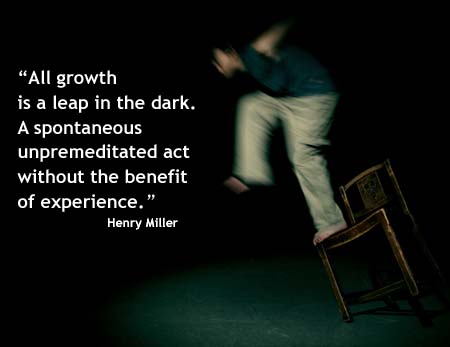
One thing’s for sure, though. For me it’s a total leap in the dark.

So, ’Rati. How willing are you to read something totally different from an author you’ve previously enjoyed, even if it’s maybe not a genre you’ve tried before?

What was the last leap of faith you made? And how did it work out for you?

This week’s Word of the Week is hagiography, which used to mean the biography of saints or venerated persons, but has now come to mean any biography which over-idealises or idolises its subject.

The Pleasure of Panels

By David Corbett

One the great pleasures of publicity tours—yes, Virginia, there are pleasures to publicity tours—is teaming up with other authors for a panel.

Panels provide one of the great exceptions to the Less is More principle. Two minds are indeed better than one, as are—depending on the minds at issue—three and four or even five, though I think that’s the limit for a decent panel. After that, it’s a chorus line. Or a scrum.

There’s always a balance that needs to be struck between the joy of spontaneity and giving the panelists enough of an idea what the topic is that they can prepare a few interesting ideas and lines—and a couple good jokes.

This is particularly on my mind as I prepare for two panels I’ll be doing in the span of one week:

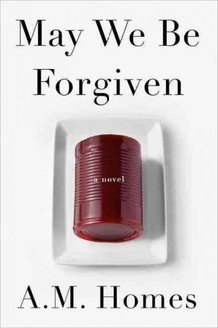
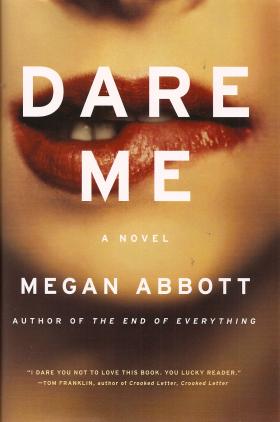
First, a panel with A.M. Homes, Megan Abbott, and Duane Swierczynski at the Barnes & Noble at 86th and Lexington on the Upper East Side of Manhattan, 7 PM on Monday, February 11th; and

Second, a panel with Ellen Sussman at the San Francisco Writers Conference on Sunday, February 17th.

Frankly, with fellow panelists like that, I could sit there and drool and come off semi-smart. (Well, okay, maybe not drool.)

Ellen is a San Francisco writer I met through Murderati alum Cornelia Read at a reading for Dirty Words: An Encyclopedia of Sex, which Ellen edited. (Ellen’s entry on Happy Endings appears immediately before Cornelia’s on Hard-ons.)

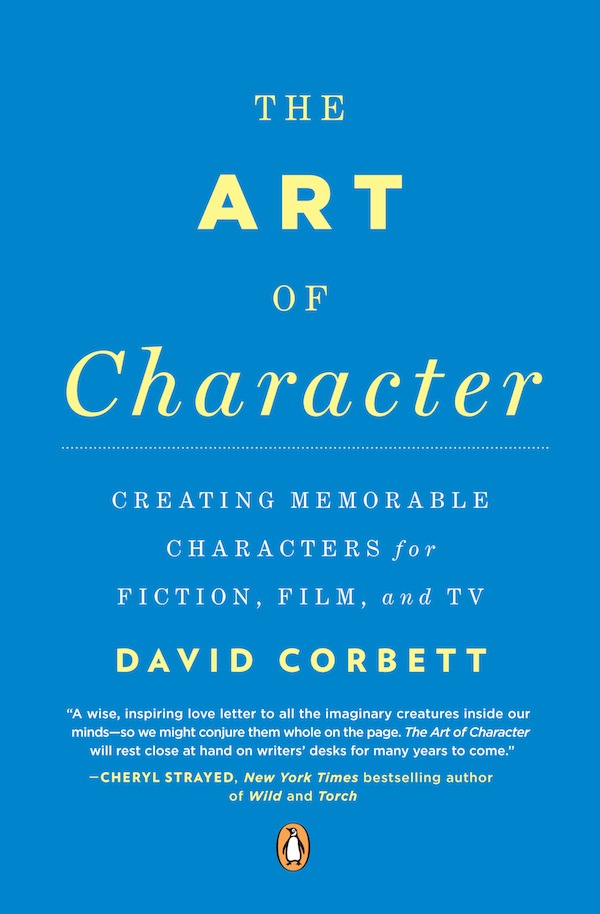
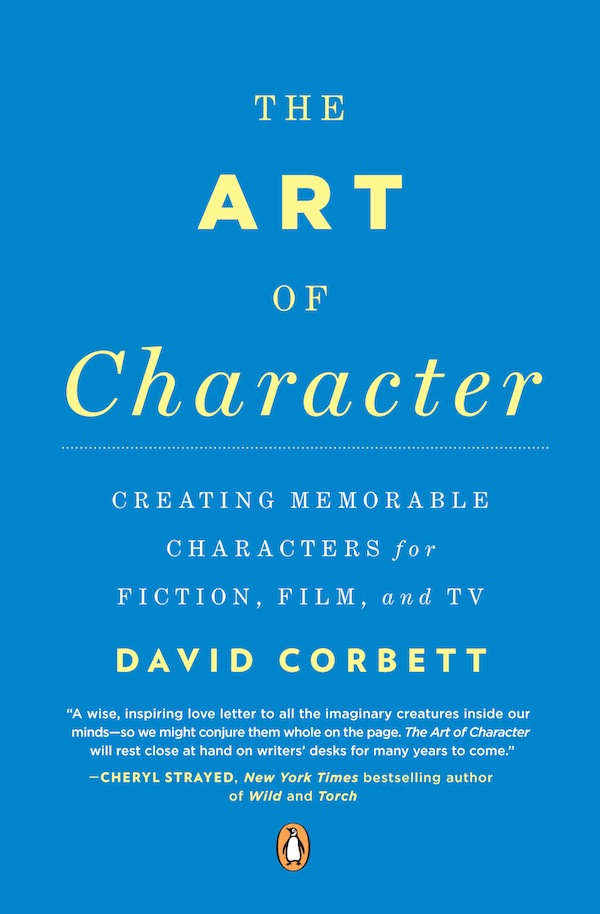
In The Art of Character I use a scene from Ellen’s novel French Lessons to illustrate how to use clothing—in this case, a pregnant, jilted, miserable teacher’s fascination with a pair of turquoise pumps in a Paris boutique—as an objective correlative for the character’s inner life.

Ellen and I are doing a panel titled MY CHARACTER ATE MY PLOT! Creating characters that drive your story. It seems to be a bit of a mash-up of a workshop I proposed on how to balance story and character demands and an impromptu panel. Whatever. Ellen and I will have a gas.

The New York panel really has me intrigued. I’ve been reading A.M. Homes’s May We Be Forgiven and I’m mesmerized. Later this month I’ll be posting for the Books by the Bed column on the website for We Wanted to be Writers (the group memoir about the Iowa Writers’ Workshop). One of the books I mention is May We Be Forgiven, and this is what I say:

As deft a balancing act between heartbreaking realism and wicked black humor as I’ve read outside the works of Pete Dexter. An opening scene with a gutted Thanksgiving turkey, fingers dripping with meat juices, lips coated in same, and then an illicit kiss between the protagonist and his taller, smarter, more successful brother’s wife—and it just takes off from there. Uncanny pacing for a so-called literary novel—violent and smart and did I mention funny?

Many of you probably already know Duane Swierczynski, though you probably can’t pronounce his name. (It’s okay, no one can. Or spell it for that matter.) I also included his The Blonde in my Books by the Bed posting:

The reading equivalent of listening to Eddy Angel channel Link Wray. Gutsy and quick on its feet, with so many deft strokes and oddball observations and switchback plot turns, not to mention (lest we forget) the eponymous blonde who, of course, is not who she seems—a patch of red in a private spot gives her away. More to the point, she’ll die if someone isn’t within ten feet of her. Literally. Beat that, Salman Rushdie!


And Megan Abbott, after writing and winning an Edgar for creative re-interpretations of fifties noir (with an emphasis on the women characters so often trivialized in that genre) has broken out with two novels set in Grosse Pointe, Michigan, her childhood hometown: The End of Everything and Dare Me.

I mean, I’ll have to concentrate very, very hard if I want to screw up this panel.

Like my panel with Ellen, this one also will gravitate toward character, and Megan and Duane both want to talk about the difficulties of characterization in the compressed formats of graphic novels and film, and A.M. wants to talk about the challenges of writing about someone fundamentally different than oneself.

I also want to ask Megan about what characterization challenges she’s faced in switching from noir pastiches to more realistic novels, and generally just invite everybody to jump in and say whatever comes to mind. (Like I’ll be able to stop them…)

If you live in New York and feel inclined, join us at 7 PM at the B&N UES at 86th & Lex.

Or if you’re ready for the whole smorgasbord of writing panels and editor consultations and agent pitches, check out the San Francisco Writers Conference—and join Ellen and me on Sunday morning (at the ungodly hour of 9 AM).

How we suffer for our art.

BTW: One final nod to Blatant Sell-Promotion (that’s a deliberate typo): If you or someone you know is interested in the craft of characterization, and would like an inspiring, in-depth and yet practical guide, please check out The Art of Character. Follow the link to find out more, including where you can buy a copy. Or read a brand new excerpt here.

* * * * *

So, Murderateros, what’s the best panel you’ve ever been on or seen?

What was the worst?

What made the one great and the other not so great?

* * * * *

Jukebox Hero of the Week: Valentine’s Day will have come and gone by the time my next post goes up, so in premature celebration (ahem), I offer this Brubeck chestnut used to brilliant effect in the film Silver Linings Playbook. It beautifully sets the mood for a crucial scene, when Pat goes to Tiffany’s house Halloween night for their first (this-is-not-a) date. It’s spare and haunting but playful, with its 7/4 time creating an off-balance tension. Perfect.


Ain’t Too Proud to Beg (or: The Art of Promotion)

By David Corbett

In August last year, Alexandra had a post titled Wanna Be a Writer? Learn to Love Promotion. In no-nonsense terms, Alex laid out the cold hard truth: In today’s publishing world, you’ve got to be willing to put yourself out there or risk getting lost in the numbers game.

In the opposite corner, both Gar and I are on the record concerning our uneasiness with self-promotion. For me it smacks of begging. If the book’s good, it’ll sell itself, right? (I know, how dumb can you get?)

Something about self-promotion makes me feel like the guy who always needs to be the center of attention, making sure the limelight never strays far from where he’s standing. 

But I’ve got a book out and it doesn’t matter how uncomfortable I am, I need to get off my duff and make the thing a success. The fact it’s not a novel but a book on writing changes little except points of emphasis.

As anyone with a mainstream publisher knows, if you’re not a top name, you’re not getting the love from the marketing or publicity departments. Everyone’s perfectly nice, they just don’t have the funds or the time for your book. They’ll do all they can within the confines of their virtually non-existent budget.

Which means you’re largely on your own. And it’s a very crowded marketplace.

But how to turn around that reticence, that squeamishness, that fear of becoming the yammering nitwit bellowing: Look at me!

 Here’s what I’ve come up with:

1.         I believe in the book, and wrote it with an almost passionate intensity. I need to bring that same belief and passion to making sure potential readers know about it, want it, buy it.

2.         I didn’t write the book for myself, I wrote it for writers and students of writing hoping to expand and deepen their understanding and command of the craft of characterization. The book is for them. Try to find them, reach them.

3.         If I ground my PR efforts in that belief, that passion, and that concern for readers who might truly benefit from the book, I’ll come from a place that balances pride with humility, and that will eliminate some of the sense that I’m being a pushy shmuck.

4.         Go back and reread the book and remember all the valuable things it has to offer. Promote them. Find a way for people to hear about them so they can make up their own minds if they want the book.

I know this must sound hopelessly fundamental and obvious. I mean, after four books, you’d think I’d get this. But I still sometimes need to remind myself of these simple things. I need to get comfortable with the idea of promoting me, David Corbett, and my work.

I think most writers are prone to a profound self-doubt, salted with guarded optimism and talent and pride. Something about self-promotion begs us to deny that self-doubt. Think positive, if you don’t believe in yourself, no one else will, etc.

I realized I need instead to embrace my misgivings, accept the ways in which the book may fall short of what I wanted it to be, and make that acceptance part of the package, so my genuine pride in the book doesn’t get mucked up with phoniness. I know the book’s not perfect. But the perfect is the enemy of the good, and the book really is quite good.

If I don’t find a way to get comfortable with the salesmanship side of writing, the book will die a slow, steady death. And it deserves better. The students who could benefit from the book deserve better. And yes, even solitary, self-doubting me — I deserve better.

So: Please check out the book and see if it’s something you or someone you know might enjoy or benefit from. Frankly, I think if you start reading it, you’ll love it.

You can read excerpts here and here, and blog discussions here and here. And you can find a variety of places to buy it in both physical and digital format here.

If you’ve read the book and have something to say, I’d love it if you’d write an Amazon review.

Thank you.

(BTW: In one of those scheduling things that happen from time to time here on Murderati, I’ll also be up tomorrow for my regularly scheduled post. Try not to weary of me.)

* * * * *

So, Murderateros—what aspect of promotion do you find most daunting? Most annoying?

What strategy have you devised to overcome that?

Has a writer’s PR effort ever turned you off to his or her book?

Any great anecdotes about PR efforts that went arwy—whether your own or someone else’s?

* * * * *

Jukebox Heroes of the Week: Who else? (With a stunning remix of the original.)


Questions for you

by Pari

How are you?
Recovering from the Stupor Bowl?
Feeling self-righteous because you didn’t watch it?
I’m in a philosophical mood today, starting this blog for the 3rd or 4th time in two weeks. It’s not that I lack inspiration or subject matter. It’s that I’m not quite sure how to verbalize my latest train of thought. You see, I’ve been thinking about
competitions
winning awards
pushing toward goal after goal
judging others’ work.

And I haven’t come to any conclusions. I simply have several colorful — and related, I think — skeins of yarn that might, someday, knit into a nice something.

Skein 1:  During the last few weeks, I’ve been reading novels for a statewide contest. Having been on the other end of this type of activity, I know what it means to have bragging rights as a nominee for an award. But did those bragging rights really give me anything but pride or internal validation? And, nowadays, there are so many awards for just about everything that I am not sure they have the same power they once did. And who am I to judge anyway?

Skein 2:  I’ve been working to lose weight per doc’s orders (thank you, ldl — you bad cholesterol, you). When I reach one goal, I immediately think, “Wow. I could lose more!” What’s with that? The same thing happens with exercise, because achieving the same thing day in and day out seems somehow like a waste (and it’s not efficient for fat burning/cardio, now is it?)

Skein 3:  How does all of this relate to being here now? How can a person remain in the present or appreciate the present when all focus is on constant improvement, winning, pushing forward etc. etc.?

This isn’t existential angst at all. I’m merely continuing my journey of examining absolutely everything. Every. Damn. Thing.

So, what’s your take?
Are writing/literary contests meaningful?  
How does a person reconcile wanting to constantly improve with wanting to live in the Now?
When does a person gain enough expertise to judge another’s work?


That breakthrough moment

 by Alexandra Sokoloff

There’s a question authors often get in interviews – more so in the early professional years than later: “Can you tell us what was it like when you got ‘the call’?”

Meaning the phone call from your agent that your first book had sold.

I think people like to hear those breakthrough stories because it’s a little like rehearsing for your own “call”.  You hear in various New Age philosophies that you need to actually feel your own success inside you to draw it to you.

My own call happened first with a script. I wrote it with a partner I’d met in a writing class, and while we had both written before, this was the first all out effort at a spec script. And it was good. We knew it. It got us our pick of agents, and he took it out to the studios. 

Well, we got into a bidding war situation, which was both electrifying and terrifying. It lasted almost an entire week, which I know sounds like lightning speed compared to the glacial pace of publishing, but it was the longest week of my life. Studios were in, studios were out. Producers we’d never met were calling us trying to talk us into going with them. To say things were tense is the understatement of that decade; sometime in the middle of the second day I started crying and basically didn’t stop until the script sold. 

Well, that’s not exactly true. I did go to a party the night before we got the call. I cried all the way through getting dressed, then stopped crying when my friends picked me up. We went to the party and, well, partied, danced, whatever – I was laughing and sunny and enjoying myself. I don’t remember now how four of us ended up walking through a park in the early hours of the morning – we couldn’t possibly have walked all the way from the Westside of L.A. to my apartment in the Fairfax district. Probably a bunch of us went out to a nearby deli (Canters, one of the only open-after-midnight eateries in L.A. back then) and then these three guys walked me home from there. I remember feeling like Dorothy on the road to Oz with the Scarecrow, the Tin Woodsman and the Cowardly Lion; my friends were actors I’d gone to college with and we’d acted together in many more unusual configurations than that. But there was a numinousness about that night; I felt poised on the verge of something massive.

I hugged them all at my door, closed it, and immediately burst into tears again, and stayed up the rest of the night (morning) crying.

 I should have mentioned up front:  I’m not a crier.  It’s very rare for me. The fact that I had a week-long fit of weeping is still amazing to me. But that’s how long this writing journey had been for me, and how stressed out I was at being so close to what may or may not have turned into a breakthrough.

And the next day we got The Call. The script had sold for quite a bit of money, much more than I’d ever had before in my life.  It changed my life substantially –not having to constantly worry about finances was a huge relief. But more importantly, I was “in”. I’d always pictured the movie business as a city inside an enormous glass dome, with all of us film hopefuls circling the dome, trying to figure out how to get inside. From then on L.A. looked exactly the same, but it didn’t feel the same, ever again.

Since then I’ve had other variations of The Call, including my first book sale and the moment of Huntress Moon hitting the Amazon bestseller charts. I’ve never cried for a week straight since that first time; I don’t think anything after can ever be the same as that first concrete affirmation that yes, you’re doing the right thing and you really can actually DO IT. But there’s always a heady sense of exhilaration mixed with massive relief – relief that all that obsessive work was leading to something, relief that someone values that work enough to pay you enough to do more of it.

For me the feeling of this moment is much more easily captured in music than on film or on the page; I really love songs about this breakthrough or that are about an artist right before the breakthrough, songs that have that dual sense of poverty and struggling along with the sense that the breakthrough is coming.  And I wonder if collecting those songs had a little bit to do with my own breakthroughs: that I knew from songs how it was supposed to feel, and sought out that feeling for myself.

The best ever to me is Springsteen’s “Rosalita”. No other song has ever captured that exhilaration of that “through the looking glass” breakthrough so perfectly; when I hear it I feel I can do anything. And who can NOT dance?

I also love the Counting Crows’ “Mr. Jones”, another fabulous dance song. This one is very personal to me because I know some of the band; as a matter of fact one of my favorite memories is a party during which one of the guys – pre-breakthrough – fell off my second floor balcony clutching a life-sized statue of St. Francis (neither were hurt – if you’re going to take a dive off a balcony, make sure to take a saint with you.) 

And as over-rotated as Billy Joel’s “Piano Man” is, I never switch channels when it comes on.  All those sad people in the bar with their big dreams, and you listen to it knowing that when the bar patrons tell the pianist, “Man, what are YOU doing here?” that he won’t be there for long.

So of course I’d love to hear stories about “The Call.” And does anyone have any  breakthrough or “on the verge” songs for me? 

Alex

My love-hate relationship with writing

By PD Martin

I wrote this post before I saw Gar’s post yesterday – amazing synchronicity we have here at Murderati sometimes…

I’ve realised over the past few months that I have an ‘unusual’ relationship to my writing.  Or perhaps it’s pretty normal…you tell me. In some ways how writing makes me feel and my attitude towards it are contradictory. A love-hate relationship.

On the one hand, I love writing. I don’t get much time at the computer these days as a full-time mum to a young toddler, but the time I do get I cherish. I covet. I get cranky if something stands in the way of my writing day. My basic routine now is one full writing day (my husband works four days a week) and 1 hour on the other four days of the week during Liam’s naps.

The end of last year and the start of this year saw my limited writing time crunched even more…my daughter’s birthday, school holidays (21 December to 31 January here), Christmas, New Year, and our beach holiday. Three out of the first four weeks down at the beach I didn’t have my writing day (my husband was still working and commuting). At this point I was frustrated. Cranky, even. I needed to write. Finally on 11 January I had my first full writing day. And I wrote 7,500 words. Not surprisingly, I was pretty happy with that word count, and the words themselves. It made me realise how much I’d missed writing. It literally gushed out of me. And like Gar, I’m currently writing a story I want to write. I’m loving writing it and seeing how the characters and plot unfold. And while I do hope it’s commercially viable (which, of course, is code for a best seller), it’s probably not the best story to write from a business/marketing perspective. It’s a different genre (again) for a start!

Now, we’re still on the love part of my relationship with writing…I do love writing. I do.  But sometimes I feel hypocritical because I don’t write at night. Problem is, usually I’m just too plain tired to sit at the computer. I find a day as a full-time mother much more tiring than a day at a full-time job. Plus, this is my time with my husband. Our time to sit back and have a nice dinner and perhaps a glass of wine. And maybe catch up on our favourite TV shows (Dexter, Person of Interest, Homeland and our latest discovery is the UK’s Sherlock, which Alex blogged about here quite extensively and mentioned on Tuesday!) By the way, Alex, now that I’ve watched it I totally agree 🙂 We’re loving Sherlock.

So now onto the hate part. At times, I feel like my chosen path has taken many things away from me (or at least denied me things). I look at my friends who are still in the corporate world, and I do notice the differences in our lifestyles. Bigger houses, better cars, dinners out…etc. etc. And on the one hand I feel: “No, that’s all material stuff. I’m living my dream — literally.”  Then I answer myself back: “No, your dream is to make a living from writing, or better yet be a best-selling novelist.” And I hate that my love and skill doesn’t equate to making a decent living.   

At times, I think I have to give up for my own sanity. Not to mention financial freedom.  If I went back into the corporate world (even part time) things would certainly be a lot easier financially. But if I’m this cranky when I’m only getting a few hours here and there to write, what would I be like if I didn’t write at all? Or if I wasn’t writing at all, wasn’t trying to finish a book and write that best seller, would I simply be able to let it go?

I’m thinking many of the writers out there can relate to this dilemma. There are at least a few of us at Murderati who’ve been circling or blogging directly about how hard it is to do what we love and make a living.

So, what’s the answer? Go back into the corporate world? Work harder at my writing? Maybe I need to force myself to write at night to add a couple of hours to my weekly quota.

I’m actually feeling pretty good about my current work in progress, but I usually do when I’m in the middle of the first draft. I have that writing high — which deserves a dedicated blog, so that will be in a fortnight’s time.

Safe to say, I’m in the love cycle of my relationship with writing, as long as I don’t think about the dream. The author’s dream.

So, Murderati if you’ve got answers or thoughts throw them my way. Is it normal to love writing but also resent it (almost kind of hate it) because of the financial repercussions of choosing this path? I’m thinking maybe that’s pretty normal for an author these days. And maybe there are no answers.

I’m going to try to focus on the love at the moment. You?

THE FUN FACTOR

by Gar Anthony Haywood

The book I’m writing at present is not the one I should be writing.  The book I should be writing is one far more likely to sell.  A book with a high concept, or one featuring a new character around whom I could build a “franchise.”  Instead, I’m writing the seventh book in my Aaron Gunner private eye series, a novel that fits the description of a can’t-miss bestseller about as well I fit that of an Osmond brother.

Why?  Because I want to.

Sorry, but that’s the only real reason I’ve got.  I haven’t written a book about Gunner in ages and I miss the man.  I had a great idea for an opening that turned into a great idea for a Gunner novel and I simply couldn’t find the will to put off writing it.  I’ve been far more calculating about my book projects than this in the past, on a number of occasions, but for the most part, this is how I’ve always operated: chasing the joy, not the dime.

I know I’m not alone in taking this ass-backwards route to success, but I wonder just how many bestselling authors have had it pay off?  Is anybody making real money and having fun writing at the same time?  Doing only what they want to do, without exception?

God, I hope so.

Because I can’t write worth a damn if I’m not having fun.  I’ve tried writing like an adult, with the detached efficiency of a plumber running pipe or an insurance salesman hawking life-term policies, and I hate it.  Writing for me is a slog under the best circumstances, and having fun — yes, fun — is the only way I get through it.  My need to write is all about the stories I feel compelled to tell, not the bills I’m obligated to pay.  The long-term dream for me has never been as simple as to make a living writing; the dream has always been to someday have it both ways: to write exactly what I want to write, each and every time out of the box, and make a damn good living doing it.

Evidence to date would suggest I’m just kidding myself, but that’s okay.   Hope springs eternal.

So I’m writing Gunner Number 7 and loving it.  It’s hard work, and some days it feels like I’m trying to pull a cow on a leash through a field of quicksand — but I don’t mind.

It’s my cow, and it makes me feel good.

Come on Downton

by Alexandra Sokoloff

(No spoilers!)

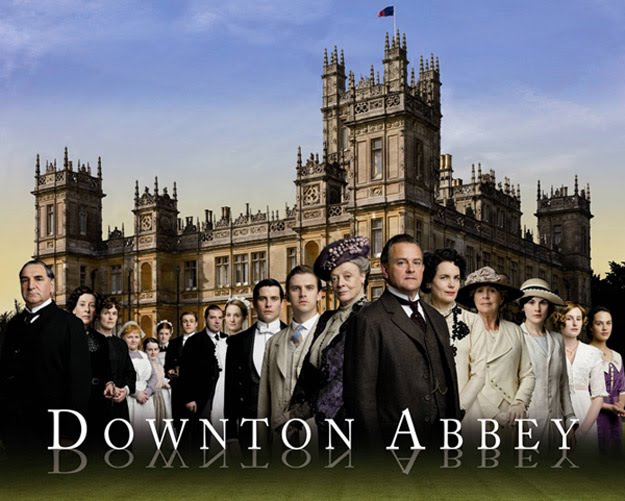
You knew I’d end up doing this, right? I can’t help myself, I get addicted to a show and it ends up on the blog. I’m hardly alone on this one, either: Downton Abbey is the most successful British TV show in the history of British TV. Oh, I see the Facebook posts, people complaining that they don’t know what people see in the show. Hah, where do I start? So grab yourself some tea, or champagne, or even better, one of those newfangled cocktails that The Dowager Countess says are “too exciting for before dinner” even as she gazes longingly toward the tray – and let’s talk Downton.


I’ve been a big fan of writer/creator Julian Fellowes since his sparkly, pitch-perfect murder mystery Gosford Park, so I was primed to like Downton.  Put the best of British TV (and film) stars together with stellar writing and what’s not to like?

On a writing level, the show had my undying attention from the moment Mr. Bates, painfully disabled from the war and dependent on a cane, looks up that endless staircase (that we have seen all the other servants rushing up and down since the opening of the show) and we realize that the valet job that means both survival and redemption for him is completely dependent on his climbing those stairs dozens of times per day.  Talk about establishing HOPE, FEAR, and STAKES in one perfect camera pan!

As a writer I have always been mystified and envious at the manipulative addictiveness of soap opera writing. When I first moved down to L.A., I’d not only never been into soaps, I totally disdained them. I didn’t even really watch television. But it seemed like every actor I got to know in those early film career years ended up with a gig on “Days of Our Lives.” You can see what’s coming, right? I started watching the show a time or two just to support my friends – and ended up worse than a crack addict over it; it took me years to break the habit.

Downton uses every soap opera trick in the book. It’s gleefully melodramatic; full of deaths and near-deaths, plagues and miracle cures; I’m still waiting for someone to fall into an extended coma. No one is allowed to stay happy for more than a few shows at a time. Everyone, postitively everyone, is always on the verge of a romantic entanglement, or a devastating breakup. The villains, Miss O’Brian and Thomas, positively skulk, and I love their seething-over sexuality. O’Brien especially is a study in repressive rage.

And every major historical event of the times is woven into the plot, giving you a false sense of virtuousness even as you’re gorging on eye candy.  And OH, is there eye candy to gorge on.

I have this theory that people like literature and movies from periods that they most admire the clothes from. Me, as much as I love noir as a genre, I could never pull off that style. With this hair? Renaissance, yes, Edwardian, fine, Regency also works. But my hair is too big and my waist is too short for the fashions of the 30s and 40s, it’s just the way it is, so those periods of time have always felt alien to me. But I’d feel right at home in Downton. Never mind the house porn, this is unabashed clothes porn. I am not above freezing frame just to marvel at details of stitching. And I love that the VERY best clothes are always on the older women, who would naturally have HAD the best clothes.  Maggie Smith wears this teal velvet dress that does things with light I’ve never seen before, and makes her skin translucent and those blue eyes of hers as luminous as jewels. And Elizabeth McGovern wears some net things that fit her like tattoos and are every bit as intricate.

The lighting design is as stunning as the costumes and shots are regularly reminiscent of masterpiece paintings.

And then there are the men.

Hugh Bonneville is delightful in everything I’ve ever seen him in, from Hugh Grant’s hapless failed stockbroker friend in Notting Hill to a charming sociopath in The Commander. While I’m cynical about the uber rich being moral people at heart, I love to BELIEVE that they could be, and Bonneville’s Lord Grantham can always be counted on to do the right thing.

Brendan Coyle absolutely slays me as Mr. Bates, the archetypal “man with a mysterious past,” a valet with demons. What catnip, right? And clever, steadfast Anna is the perfect woman to save him. I haven’t been so committed to a love plot in I don’t know how long. I must mention Bates’ estranged wife – Maria Doyle Kennedy, in a small but pivotal role, was a striking embodiment of evil and madness; I am almost sorry we won’t be seeing more of her.

Dan Stevens as heir apparent Matthew heads up the younger eye candy. With a sexy diffidence that recalls a young Hugh Grant, he is lovely as this character – but if you haven’t seen the extras that come with the i Tunes season pass, I highly recommend a viewing. Stevens is almost unbearably charismatic just as himself; I predict we’ll be seeing him cast in everything until the end of time.

I’m more enamored with the idea of an Irish revolutionary chauffeur than I am with the actual character, but there is some occasional heat between Branson and Lady Sybil that keeps me rooting for him.

I love the women, too. I liked Anna from the start but she also snuck up on me; I just wasn’t expecting her to be such a pillar of the show.

Three sisters are always a great character cluster and it works like a charm in the show. I disliked Lady Mary in the beginning but have admired how Fellowes grew the character to make her grow on me. Same with stunted middle sister Edith, who I’m now completely rooting for. Of course I instantly saw myself in crusading youngest sister Sybil (yeah, I took the “Which Downton Abbey Character Are You? quiz and it was Sybil all the way).

Mrs. Patmore and Daisy are a duo straight out of Shakespeare as the earthy cook and long-suffering kitchen maid; one of my favorite scenes of the whole show is Mrs. Patmore trying to explain to Daisy why Thomas is “not the boy for you.”

But the real heart of the show, as I’m sure no one will disagree, is Maggie Smith.  I would happily watch her read the phone book; she is perfect in everything she touches, but just as with Benedict Cumberbatch in Sherlock this is a priceless alchemy of actor and role. You spend half the show not breathing, just waiting to see what she’s going to say, or who she will simply LOOK at, next. Even if the rest of the show wasn’t so stellar, I would be grateful to Julian Fellowes until the end of time for creating a role so perfectly matched to her talents that will allow the world to enjoy her at the height of her talent – for as long as we have broadcast devices.  I get teary just thinking about it.  

Oh, all right, maybe I’m teary about something else, too.  But remember – NO SPOILERS!!!!

So how about you? What do you love – or hate – about Downton?  What do you think has made it the smash it is? 

Alex